
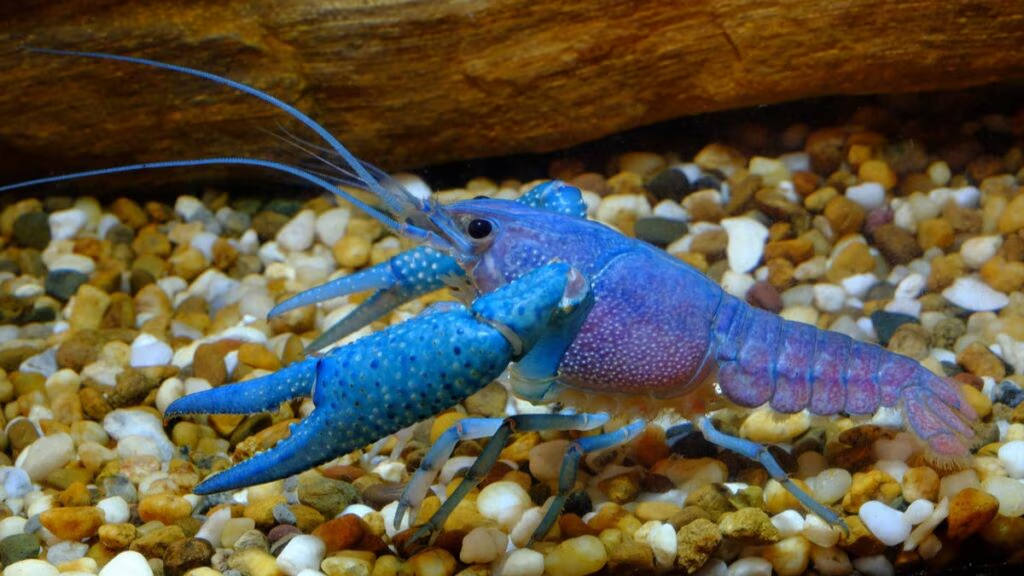
Crayfish, often referred to as crawfish or freshwater lobsters, are fascinating creatures that inhabit a wide range of aquatic environments, from rivers and streams to lakes and ponds. Known for their hard exoskeleton and impressive pincers, these crustaceans are not only a vital part of the ecosystem but also a popular subject for aquarists and fishing enthusiasts. One of the most common questions people have about crayfish is, “What do crayfish eat?”
In this comprehensive guide, we’ll explore the various aspects of crayfish diets, their feeding habits, and the types of food they consume in the wild and in captivity. Whether you’re an aquarist or simply curious about these unique creatures, you’ll find everything you need to know about crayfish nutrition and feeding preferences.
Understanding the Crayfish Diet
Crayfish are omnivorous, meaning they eat a variety of food sources, including plants, animals, and detritus. Their diet is highly influenced by their environment, and in the wild, they will consume whatever is readily available. This includes algae, insects, small fish, and even dead animals that have sunk to the bottom of the water.
In captivity, however, it’s important to provide crayfish with a balanced diet to ensure they stay healthy and thrive. This can include a mix of commercial pellets, vegetables, and occasional protein sources.
What Do Crayfish Eat in the Wild?
In their natural habitats, crayfish are opportunistic feeders, meaning they will consume food as they find it. Here are some of the primary food sources they rely on in the wild:
1. Algae and Plant Matter
Crayfish are often found in areas where aquatic plants thrive. They feed on a wide range of aquatic plants, including algae, water weeds, and submerged vegetation. Algae forms a significant part of their diet, particularly in areas with abundant sunlight where algae can grow on rocks and other submerged surfaces.
2. Insects
Crayfish are also known to hunt and scavenge for insects that fall into the water or those that reside near the water’s edge. They will consume various types of insects, including water beetles, dragonflies, and larvae. Crayfish have strong pincers that allow them to capture and crush their prey with ease.
3. Small Fish
While crayfish are not aggressive hunters of large fish, they will readily consume small fish that they can overpower. In some cases, crayfish may also feed on fish eggs, which are an excellent source of protein.
4. Detritus (Dead Organisms)
Crayfish play an important role in the ecosystem as scavengers. They feed on decaying plant matter, dead animals, and organic debris. This process of eating detritus helps clean the environment, making crayfish essential for maintaining water quality and healthy ecosystems.
5. Mollusks and Worms
Crayfish also hunt for and feed on mollusks like snails and worms that they can catch and crush. Their pincers are effective tools for cracking open the shells of mollusks, allowing them to access the soft tissues inside.
What Do Crayfish Eat in Captivity?
When kept in aquariums or ponds, crayfish require a more controlled diet to meet their nutritional needs. Below is a breakdown of foods you should consider providing for crayfish in a home aquarium:
1. Commercial Crayfish Food
The easiest and most convenient way to feed your crayfish in captivity is by using commercially available crayfish or crustacean pellets. These pellets are specifically designed to meet the nutritional needs of crayfish, providing essential proteins, fats, and minerals. Always look for high-quality pellets that contain natural ingredients, and avoid those with artificial additives or fillers.
2. Vegetables
Crayfish are herbivores as well as carnivores, so adding vegetables to their diet is important for their overall health. Some suitable vegetables for crayfish include:
Spinach: Rich in vitamins and minerals, spinach is a great vegetable option for crayfish.
Zucchini: Crayfish love zucchini, especially when it is cut into small pieces and blanched.
Cucumbers: These provide hydration and a good source of fiber for crayfish.
Lettuce: Leafy greens are a favorite among crayfish and can be added as a regular part of their diet.
Carrots: Carrots provide essential nutrients and can be fed in small portions.
It’s important to blanch vegetables before offering them to your crayfish to soften them and make them easier to eat.
3. Protein Sources
Crayfish thrive on protein, so it’s essential to include some protein-rich foods in their diet. Here are a few options:
Frozen shrimp: High in protein, frozen shrimp is a tasty and nutritious treat for crayfish.
Bloodworms: These protein-packed worms are readily available and highly nutritious.
Crickets: Crickets are another protein-rich food that crayfish enjoy. You can buy them live or dried.
Boiled egg: Occasionally, you can offer boiled egg to your crayfish for a protein boost.
4. Snails and Small Fish
Some aquarists like to give their crayfish live snails or small fish, which not only serve as food but also provide mental stimulation. If you are adding live creatures to your crayfish’s tank, be sure they are appropriately sized so that the crayfish can catch and eat them.
5. Calcium-Rich Foods
Crayfish need calcium to maintain their exoskeleton and support healthy molting. You can provide them with calcium-rich foods such as:
Cuttlebone: This natural calcium supplement is often used in aquariums for crustaceans.
Crushed oyster shells: Another excellent source of calcium.
Calcium blocks: These blocks can be placed in the aquarium to provide a continuous source of calcium.
How Often Should You Feed Crayfish?
Feeding your crayfish too frequently can lead to water quality issues and an unhealthy environment. It’s best to feed crayfish once every 1-2 days, ensuring that the food provided is eaten within a few hours. Any uneaten food should be removed to prevent it from polluting the water.
If you’re unsure how much food to provide, start with a small portion and gradually increase it if necessary. Remember that crayfish are opportunistic feeders, so they will eat as much as they need and can handle.
Common Feeding Mistakes to Avoid
While feeding crayfish is fairly straightforward, there are a few common mistakes that many aquarists make. Here’s what to avoid:
Overfeeding: Crayfish don’t need to be fed every day, and overfeeding can lead to water pollution, which harms both the crayfish and the overall aquarium environment.
Feeding the wrong foods: Not all human foods are safe for crayfish. Avoid feeding them processed or sugary foods, as these can harm their health.
Not providing enough calcium: Without enough calcium, crayfish may struggle to molt properly, which can lead to deformities and even death.
Feeding too much protein: While crayfish enjoy protein, too much of it can result in an imbalance in their diet, leading to poor health or shell rot.
Conclusion: Keep Your Crayfish Happy and Healthy
Crayfish are fascinating omnivores that thrive on a variety of food sources. In the wild, they feast on plants, insects, small fish, and detritus, while in captivity, they benefit from a balanced diet of commercial food, vegetables, protein-rich treats, and calcium supplements. By providing a varied and nutritious diet, you can help your crayfish stay healthy and thrive in their aquatic environment.
Ready to keep your crayfish well-fed? Start by incorporating these feeding tips and choosing the right foods to ensure your crayfish gets all the nutrients it needs to live a long, healthy life. If you have any more questions or need advice on how to care for your crayfish, don’t hesitate to reach out in the comments below. Your crayfish’s health starts with the right diet!
