
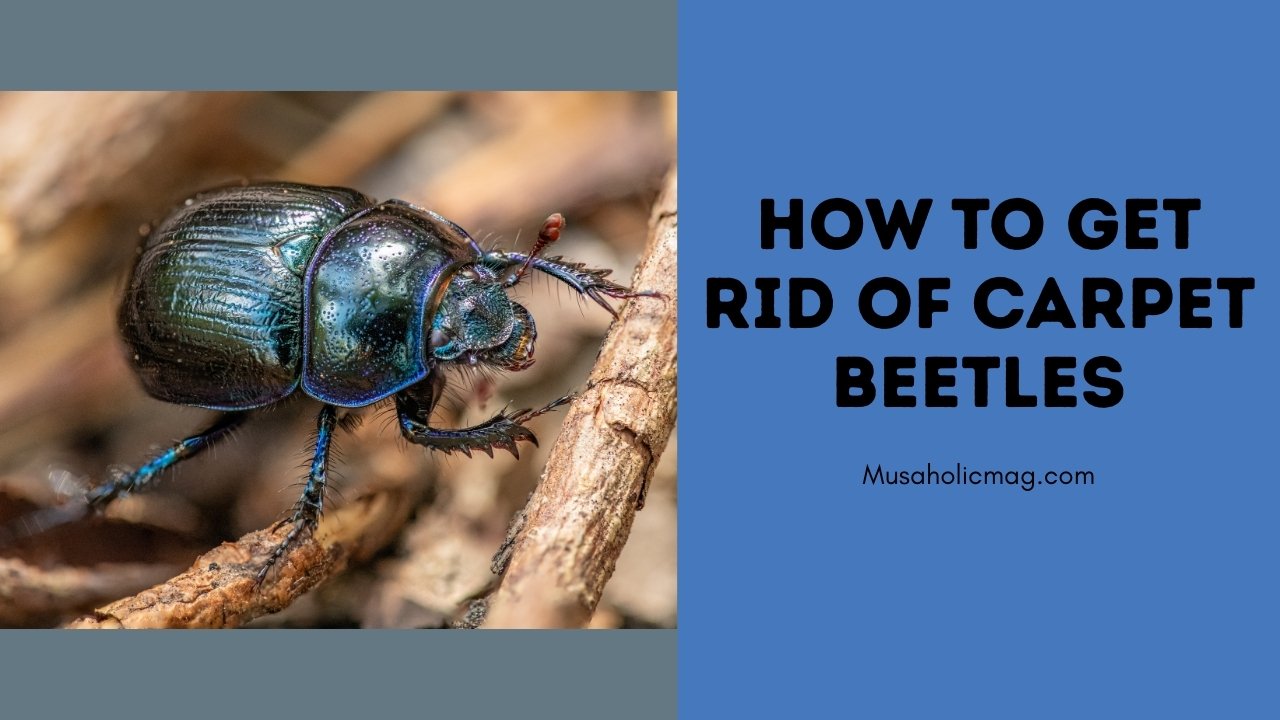
Carpet beetles are one of the most common household pests that can cause extensive damage to carpets, fabrics, and even stored clothing. While they are often tiny and easily overlooked, they can quickly multiply and lead to significant infestations. If you’ve noticed small, round holes in your carpets or fabrics, or if you see tiny larvae scurrying around your home, you may be dealing with a carpet beetle problem.
In this guide, we’ll show you how to get rid of carpet beetles effectively, with practical steps to ensure your home is free of these destructive pests.
What Are Carpet Beetles?
Carpet beetles are small, oval-shaped insects that are typically black, brown, or white, with a variety of patterns on their backs. The larvae of carpet beetles are the most destructive part of the lifecycle, feeding on natural fibers such as wool, silk, cotton, and even leather. They are commonly found in carpets, rugs, upholstery, and clothing. These pests are notorious for damaging textiles, causing unsightly holes and weakening the fibers of your fabric.
The adult carpet beetles, on the other hand, feed on pollen and nectar, often entering your home through windows or open doors. They do not cause damage directly to your possessions but can lay eggs that hatch into larvae.
Signs of a Carpet Beetle Infestation
Before you can take steps to eliminate carpet beetles, it’s essential to recognize the signs of an infestation. Look for the following indicators:
Tiny holes in carpets, upholstery, and clothing
Visible larvae that look like tiny, brownish worms, often with bristles
Adult beetles flying or crawling around your home, particularly near windows
Damage to natural fibers such as wool, fur, or feathers
If you notice any of these signs, it’s time to take action.
Step-by-Step Guide on How to Get Rid of Carpet Beetles
1. Identify the Problem Areas
The first step in eliminating carpet beetles is identifying where they’re hiding. Carpet beetles are known to infest carpets, rugs, upholstered furniture, and stored clothing. Check areas where there is fabric or organic matter, such as:
Carpets and rugs, especially near edges and corners
Upholstered furniture and cushions
Closets and drawers, particularly where clothes are stored
Attics, basements, and storage areas
2. Vacuum Thoroughly
One of the simplest yet most effective ways to remove carpet beetles is by vacuuming regularly. Use a vacuum cleaner with a hose attachment to reach into corners, under furniture, and along baseboards. This will help remove carpet beetles, larvae, and eggs that may be hiding in cracks and crevices.
Be sure to vacuum:
Carpets and rugs
Upholstered furniture
Floors, especially in corners and under furniture
Closets and drawers
After vacuuming, immediately empty the vacuum bag or canister outside to prevent any surviving beetles or larvae from reinfesting your home.
3. Wash Affected Fabrics
Carpet beetles are attracted to natural fibers, so washing affected fabrics is essential. Items like woolen rugs, carpets, or clothing can be laundered to eliminate eggs, larvae, and beetles. Follow these steps:
Wash your clothing in hot water if the care label permits. This will kill any eggs or larvae.
Dry-clean delicate fabrics that cannot be machine-washed.
Wash your rugs or carpets (if possible) or take them to a professional cleaner.
4. Use a Steam Cleaner
A steam cleaner can be highly effective in killing carpet beetles at all stages of their lifecycle, from eggs to larvae to adults. Steam cleaning uses heat and moisture to penetrate fabrics and carpets, effectively destroying pests without the need for harsh chemicals.
Focus on areas such as:
Carpets and rugs
Upholstered furniture
Curtains and drapes
Be sure to follow the manufacturer’s instructions when using a steam cleaner, and ensure the fabric can handle the heat and moisture.
5. Apply Insecticides or Natural Solutions
Insecticides can be helpful in eliminating carpet beetles, but they must be used carefully. You can either go for chemical insecticides or opt for natural solutions.
Chemical Insecticides:
Look for insecticides specifically formulated to target carpet beetles.
Apply the insecticide to cracks, crevices, and infested areas. Always follow the manufacturer’s instructions to avoid overuse or toxicity.
Natural Alternatives:
Diatomaceous Earth: This natural powder is harmless to humans and pets but deadly to insects. Sprinkle it in areas where carpet beetles are found and leave it for a few days before vacuuming it up.
Essential Oils: Oils like lavender, eucalyptus, and cedarwood can repel carpet beetles. You can add a few drops of these oils to a spray bottle with water and spray it in infested areas.
6. Seal Gaps and Cracks
Carpet beetles can enter your home through tiny gaps and cracks. To prevent future infestations, seal all possible entry points around windows, doors, and vents. Use caulk to close gaps in walls and around baseboards, and ensure that window screens are intact to prevent adult beetles from flying indoors.
7. Use Pheromone Traps
Pheromone traps are effective in capturing adult carpet beetles. These traps contain synthetic versions of the beetles’ natural sex pheromones, which attract the males. While they won’t eliminate the entire infestation, they can help reduce the number of adult beetles in your home.
Place pheromone traps near windows or other areas where you’ve noticed beetle activity. They can help you monitor the severity of the infestation and keep beetle numbers in check.
8. Call a Professional Pest Control Service
If your carpet beetle infestation is severe or difficult to manage, it may be time to call in the professionals. Pest control experts have access to stronger insecticides and equipment that can tackle a heavy infestation.
A professional can also perform a thorough inspection to ensure all problem areas are treated. In most cases, they will follow up with additional treatments to ensure the beetles are fully eradicated.
Preventing Future Carpet Beetle Infestations
Once you’ve successfully gotten rid of carpet beetles, the next step is prevention. Here are some steps to prevent future infestations:
Regular cleaning: Vacuum your carpets, rugs, and furniture regularly. Clean fabric items frequently to remove any eggs or larvae.
Store fabrics properly: Keep your clothing and textiles in airtight containers or garment bags to protect them from carpet beetles.
Use mothballs or cedar chips: These can act as natural repellents for carpet beetles and other pests.
Inspect secondhand items: If you buy used furniture or clothing, inspect it carefully for signs of carpet beetles before bringing it into your home.
Conclusion: Keep Your Home Beetle-Free
Carpet beetles may seem like small and insignificant pests, but they can cause substantial damage to your home and belongings if left unchecked. By following the steps outlined in this guide, you can effectively get rid of carpet beetles and protect your home from future infestations. Regular cleaning, proper storage, and preventive measures will help ensure that these pests don’t make a return.
