
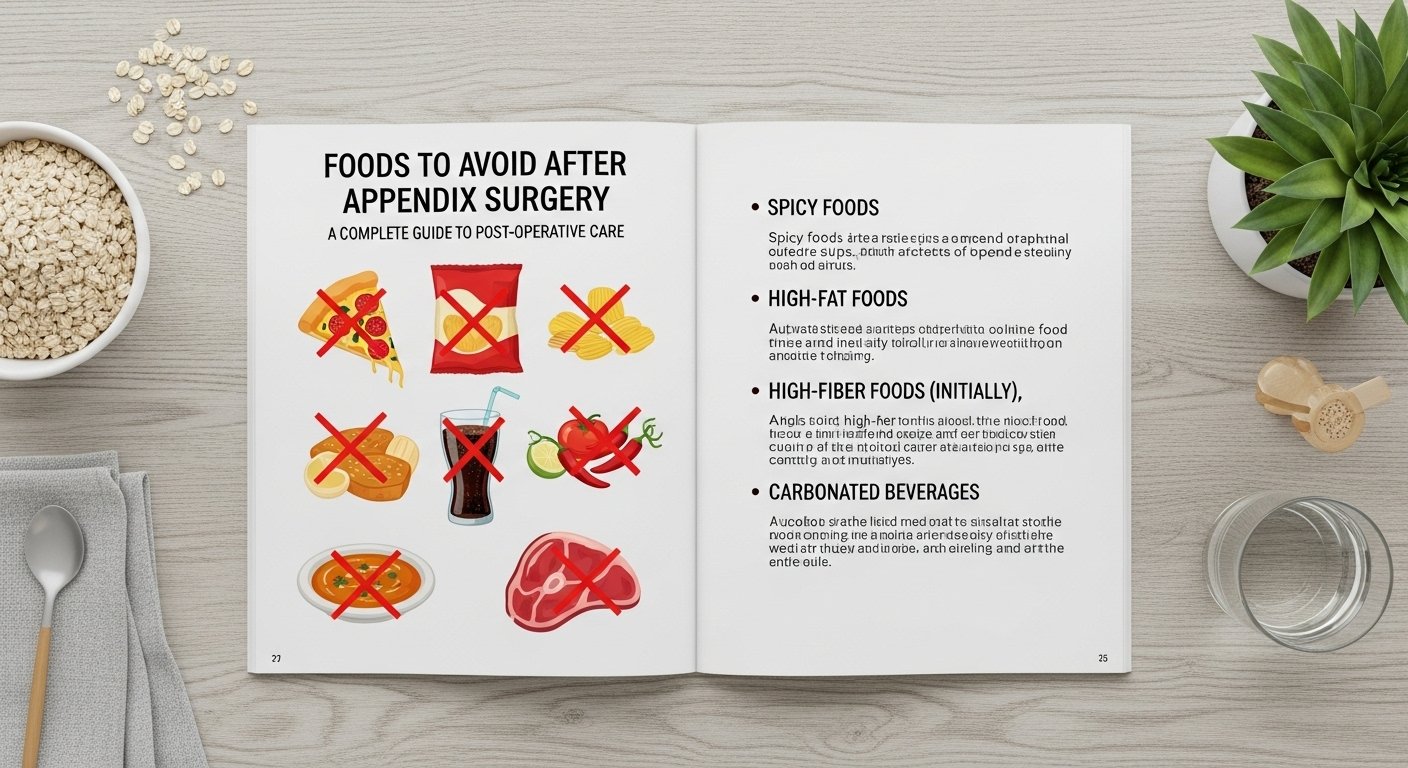
Undergoing appendix surgery, also known as an appendectomy, can be a life-changing experience. It’s crucial to follow your doctor’s post-surgical instructions, especially when it comes to your diet, as your body needs extra care to heal properly. Foods to avoid after Appendix Surgery plays a significant role in your recovery. Some foods can slow down healing, while others may trigger discomfort and complications.
In this guide, we’ll explore which foods you should avoid after appendix surgery to ensure a smooth and speedy recovery. Whether you’re recovering at home or under medical care, this article will provide helpful insights into the best dietary choices to support your healing process.
Understanding the Healing Process After Appendectomy
Before diving into the list of foods to avoid, it’s essential to understand the healing process post-surgery. After an appendectomy, your body needs time to repair the incision and the internal tissues. During this time, your digestive system may be more sensitive than usual, so it’s important to consume foods that are easy to digest and promote healing.
Appendectomy patients typically experience some discomfort, such as bloating, gas, and indigestion, especially in the first few days after surgery. Some foods may aggravate these symptoms or delay recovery, while others can help improve digestion and restore your energy.
Foods to Avoid After Appendix Surgery
Fried and Greasy Foods
Fried foods like french fries, deep-fried chicken, and greasy burgers should be avoided after appendix surgery. These foods are difficult to digest and can put unnecessary strain on your digestive system. Additionally, they can cause bloating, discomfort, and gas, which can interfere with your recovery.
Why to Avoid: High in fat, these foods can slow down digestion and increase the risk of post-surgical complications like nausea and diarrhea.
Better Alternatives: Opt for baked, steamed, or grilled foods instead. Lean proteins like grilled chicken, fish, or tofu are excellent choices.
Dairy Products
Dairy products such as milk, cheese, and ice cream may cause digestive discomfort after surgery. After an appendectomy, your digestive system can become sensitive, and dairy can lead to bloating, gas, or diarrhea due to its lactose content. If you’re lactose intolerant or sensitive, these effects can be more pronounced.
Why to Avoid: Dairy is often difficult to digest post-surgery, leading to gastrointestinal distress.
Better Alternatives: Consider non-dairy options such as almond milk, coconut milk, or lactose-free yogurt to ease digestion.
Spicy Foods
Spicy foods, including hot peppers, chili, and spicy sauces, can irritate your stomach and digestive tract. After surgery, your body needs time to heal, and consuming spicy foods can cause discomfort, indigestion, or even pain in your abdominal area.
Why to Avoid: Spices can trigger acid reflux, irritation, and stomach upset, which can prolong recovery.
Better Alternatives: Stick to mild, soothing foods such as soups, broths, and mashed potatoes. You can still enjoy flavorful meals without the heat by using herbs like basil, parsley, and oregano.
Caffeinated Beverages
While a cup of coffee or tea might seem like a comforting choice, it’s best to avoid caffeinated beverages after appendix surgery. Caffeine can irritate your stomach lining and may lead to acid reflux or dehydration, both of which can hinder your recovery.
Why to Avoid: Caffeine can contribute to gastrointestinal discomfort, dehydration, and disrupt your sleep cycle, which is critical for recovery.
Better Alternatives: Drink herbal teas such as chamomile, ginger, or peppermint, which are gentle on the stomach and promote relaxation.
Raw Vegetables
Raw vegetables, especially those high in fiber like broccoli, cabbage, and carrots, can be difficult for your body to digest after surgery. While vegetables are an essential part of a balanced diet, they can cause bloating and gas, which may exacerbate post-surgical discomfort.
Why to Avoid: Raw vegetables are harder to digest and may lead to gas, bloating, and cramping during the recovery period.
Better Alternatives: Steamed or cooked vegetables like spinach, zucchini, and squash are gentler on the digestive system and easier to digest.
Whole Grains and High-Fiber Foods
Whole grains, beans, and high-fiber foods can also be problematic after appendectomy. These foods, while healthy, are more challenging to digest when your digestive system is still healing. The high fiber content can lead to bloating, cramping, and discomfort.
Why to Avoid: High-fiber foods can cause excessive gas and bloating, which can be particularly uncomfortable when recovering from surgery.
Better Alternatives: Opt for refined grains like white rice, white bread, and plain pasta during the early recovery phase. These foods are easier on your stomach and provide necessary carbohydrates for energy.
Carbonated Drinks
Soda, sparkling water, and other carbonated beverages may contribute to bloating and gas after surgery. The bubbles in carbonated drinks can make your digestive system feel uncomfortable and can cause abdominal distension.
Why to Avoid: The gas from carbonated drinks can increase bloating and discomfort, making it harder to recover.
Better Alternatives: Stick to still water, diluted fruit juices, or herbal teas to stay hydrated without causing digestive distress.
Red Meat
Red meats like beef, pork, and lamb are rich in fats and proteins, making them harder to digest than leaner meats. These meats can increase your risk of constipation, which can be problematic during the recovery process.
Why to Avoid: Red meat can be tough on your digestive system, leading to constipation and bloating, both of which can hinder recovery.
Better Alternatives: Lean meats such as chicken, turkey, or fish are easier to digest and provide essential protein without the heavy fat content.
Alcohol
While alcohol may seem tempting, it’s best to avoid it during your recovery period. Alcohol can interfere with the healing process, disrupt your immune system, and increase the risk of complications like infections or bleeding.
Why to Avoid: Alcohol can impair healing, weaken the immune system, and increase the risk of dehydration and complications.
Better Alternatives: Focus on staying hydrated with water and electrolyte-rich drinks like coconut water to support your body’s healing process.
Foods to Include in Your Post-Appendix Surgery Diet
While there are many foods to avoid after appendix surgery, there are also plenty of nutritious foods you can enjoy to speed up your recovery. Here are some foods that will help you heal:
Clear Broths and Soups: These are easy on the stomach and provide hydration and nourishment.
Plain Rice and Pasta: These carbohydrates are gentle on the stomach and provide necessary energy.
Boiled or Scrambled Eggs: Eggs are an excellent source of protein and are easy to digest.
Bananas: A great source of potassium, bananas help with digestion and provide a quick energy boost.
Oatmeal: A soothing and easy-to-digest breakfast option that’s rich in fiber but gentle on the stomach.
Conclusion: Take Care of Your Body, and It Will Heal
Recovering from appendix surgery requires patience, proper care, and attention to your diet. By avoiding the foods listed above, you’ll give your body the best chance to heal quickly and comfortably. Always follow your doctor’s instructions and take it easy on your digestive system while you recover.
