
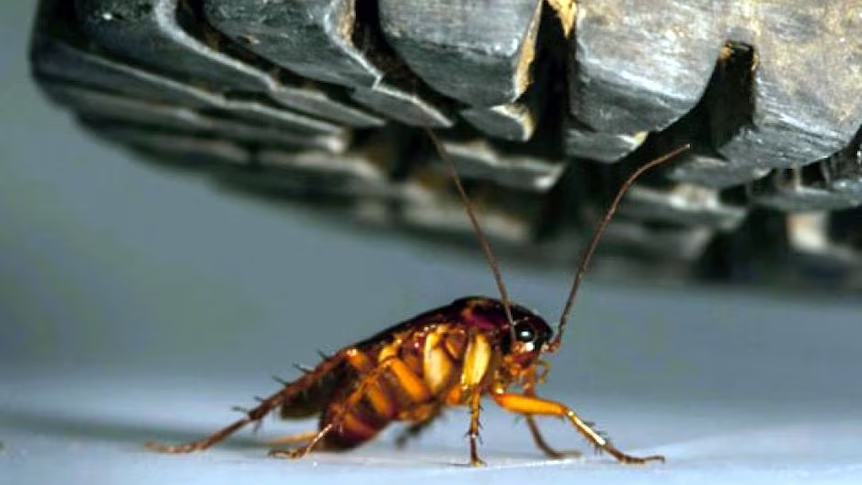
Cockroaches are among the most persistent pests, thriving in households, restaurants, and even hospitals. While these insects are notorious for being unpleasant and often unwanted guests, many people wonder: do cockroaches bite? This question has intrigued homeowners and pest control experts alike, as the mere thought of cockroaches biting humans can be unsettling.
In this comprehensive guide, we’ll dive deep into the world of cockroaches, exploring their habits, what attracts them to your home, and whether they can or do bite people. By the end, you’ll have a clearer understanding of how to manage these pests and keep your home safe.
What Are Cockroaches?
Cockroaches belong to the order Blattodea, with over 4,000 species identified worldwide. These pests are highly adaptable and can survive in a variety of environments, from homes to hospitals and even in harsh conditions like deserts. Some of the most common species found in homes include:
German Cockroach (Blattella germanica)
American Cockroach (Periplaneta americana)
Oriental Cockroach (Blatta orientalis)
Brown-Banded Cockroach (Supella longipalpis)
Cockroaches are nocturnal creatures, often seeking shelter in dark, moist environments. They are scavengers, feeding on a wide variety of organic materials, such as food scraps, garbage, and even glue. Their resilience and ability to adapt make them one of the most troublesome pests to deal with.
Do Cockroaches Bite?
Understanding Cockroach Behavior
While cockroaches are not known to actively hunt humans, they are opportunistic feeders, which means they will take advantage of any food source available. In most cases, they are more interested in your food or any organic waste they can find in your home. However, when food sources become scarce, cockroaches may resort to biting.
So, do cockroaches bite humans? The answer is: yes, but only under specific conditions.
Cockroaches may bite humans, but they generally do not target humans for feeding. Bites are more likely to happen when cockroaches are hungry, and there is no food left to scavenge. This behavior is more common in severe infestations, particularly when the cockroaches are living in environments where food has been scarce for an extended period.
How Do Cockroaches Bite?
Cockroaches have strong mandibles, which are mouthparts used for chewing. These mandibles allow them to chew through a wide range of materials, from cardboard and wood to food and even plastic. While cockroaches usually avoid human contact, in extreme cases of food scarcity or if they are disturbed, they might bite a human.
Cockroach bites can leave small, red, itchy marks, but they are generally not dangerous. However, bites can lead to minor skin irritation and discomfort. If a cockroach bites you, it’s important to clean the wound thoroughly to avoid infection.
Why Do Cockroaches Bite?
Cockroaches primarily bite for survival. As scavengers, they usually prefer to feast on decaying organic matter. However, when food is limited, they may attempt to feed on the human skin, particularly if there is any food residue on your skin. Cockroaches are also more likely to bite during the night, as they are nocturnal and tend to become more active in the dark.
Cockroaches may also bite out of self-defense. If they feel threatened or are disturbed, they might bite to escape danger. This is not a common scenario, but it is a possibility when cockroaches are handled or startled.
Types of Cockroach Bites
While cockroach bites on humans are rare, it’s essential to understand the potential risks. In most cases, a cockroach bite will cause a mild skin reaction, but the severity of the bite can vary depending on the individual’s sensitivity.
Mild Reaction: Most people experience only a minor rash or irritation at the site of the bite. The skin may turn red and itch, but the symptoms usually subside within a few hours.
Severe Reaction: Some individuals may develop a more severe allergic reaction to cockroach bites. In these cases, the bite could lead to swelling, blistering, or infection. Individuals with weakened immune systems may be at a higher risk for complications.
Infection: Though rare, cockroach bites can introduce bacteria into the skin. If the bite is not cleaned or becomes infected, it could lead to more serious health issues. It’s important to clean the bite area with antiseptic and keep it covered to prevent infection.
Other Health Risks from Cockroaches
While cockroaches are not typically dangerous due to bites, they do pose other health risks. These pests are known to carry a variety of harmful bacteria and pathogens, which they pick up from garbage, decaying food, and filth. Some of the potential health risks include:
Allergies: Cockroach allergens are a common trigger for asthma and allergies, particularly in children. The saliva, feces, and body parts of cockroaches can cause allergic reactions in sensitive individuals.
Food Contamination: Cockroaches can contaminate food and kitchen surfaces with the bacteria they carry, leading to foodborne illnesses such as Salmonella, E. coli, and dysentery.
Diseases: Cockroaches can spread diseases by contaminating food or water sources with their feces and saliva. Some of the diseases associated with cockroaches include gastroenteritis and cholera.
Skin Infections: Although rare, cockroaches can cause skin infections when their bites are not properly treated. They can also trigger eczema or other skin conditions due to their allergens.
How to Prevent Cockroach Infestations
Preventing cockroaches from entering your home in the first place is the best way to avoid the risk of bites and other health problems. Here are some practical tips to keep cockroaches at bay:
1. Keep Your Home Clean
Cockroaches are attracted to food, so keeping your home clean is the first line of defense. Make sure to:
Wipe down surfaces regularly
Store food in sealed containers
Empty trash cans frequently
Clean up food spills immediately
2. Seal Cracks and Gaps
Cockroaches can enter your home through small cracks and gaps. To keep them out, seal any openings in doors, windows, and walls. Check for cracks in floors, baseboards, and around pipes.
3. Use Cockroach Baits and Traps
Cockroach baits and traps are effective tools for managing a cockroach infestation. Place these traps in areas where cockroaches are likely to hide, such as under the sink, in cabinets, and behind appliances.
4. Maintain Dry Conditions
Cockroaches are attracted to moisture. Fix any leaks in pipes or faucets and keep bathrooms and kitchens dry. Use dehumidifiers in damp areas to reduce moisture levels.
5. Call a Professional Pest Control Service
If you have a significant cockroach problem, it’s time to call in a professional pest control service. They have the tools, experience, and expertise to eliminate cockroaches effectively and prevent future infestations.
Conclusion: Don’t Let Cockroaches Ruin Your Peace of Mind
In conclusion, while cockroaches can bite humans, it is rare and typically only happens under certain conditions, such as food scarcity or if the cockroach feels threatened. Most cockroach interactions with humans involve contamination rather than bites, and these pests are more likely to trigger allergies and spread diseases.
The best way to avoid the potential health risks posed by cockroaches is to keep your home clean and seal any entry points. If you do find yourself dealing with a cockroach infestation, it’s important to act quickly to minimize the health risks.
If you’ve been struggling with a cockroach problem in your home, don’t wait. Contact a pest control professional today and ensure your home stays safe and comfortable. Keeping your space pest-free will give you peace of mind and help you avoid the stress and worry of cockroach bites and other health concerns.
