
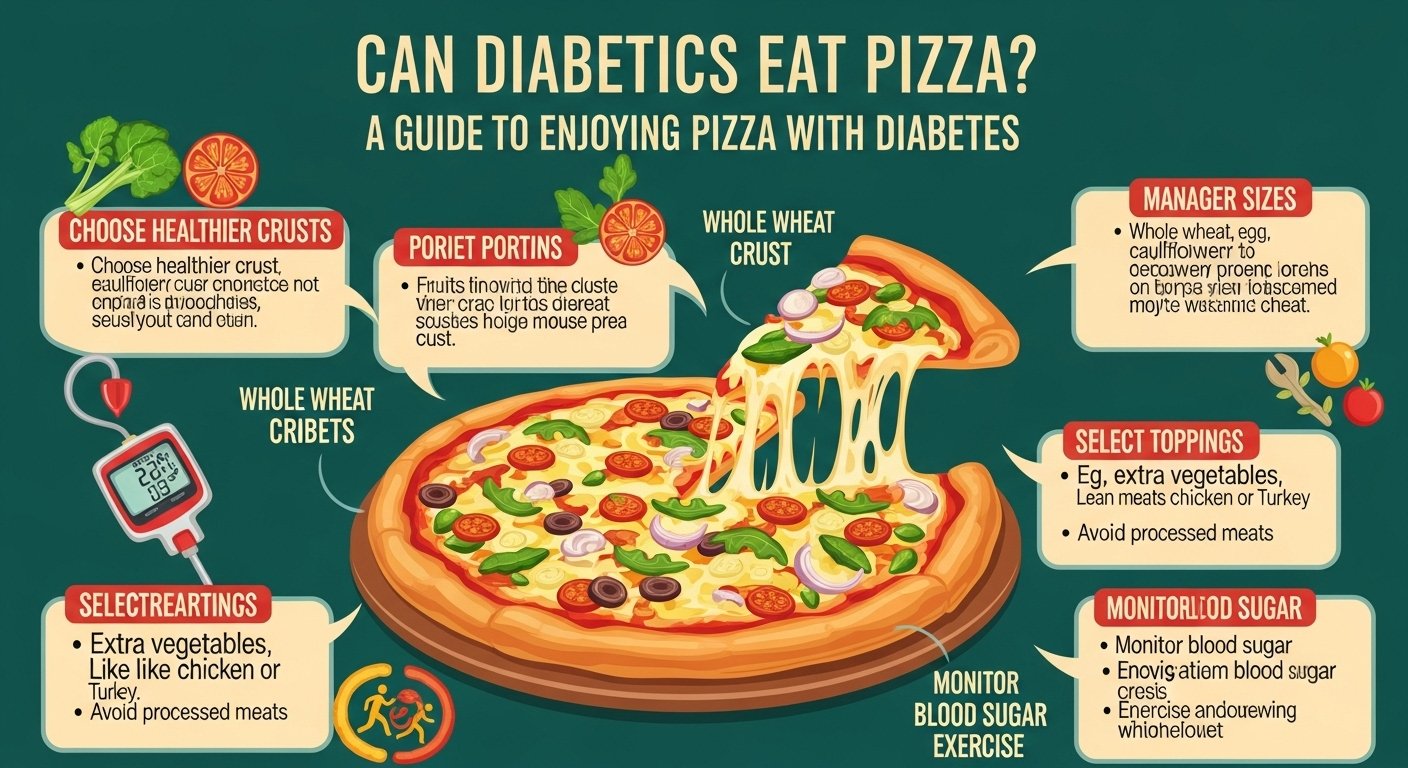
Diabetes management often involves making mindful food choices to maintain healthy blood sugar levels. One common question many diabetics ask is whether they can still enjoy their favorite comfort foods, such as pizza. The good news is that diabetics can eat pizza, but like with many foods, it’s essential to make thoughtful modifications to ensure it fits within a healthy eating plan.
In this article, we’ll dive into how diabetics can enjoy pizza without compromising their health. We’ll explore strategies for making pizza more diabetic-friendly, the impact of pizza on blood sugar levels, and tips for choosing or preparing pizza with the least impact on your glycemic index.
Understanding Diabetes and Blood Sugar Levels
Before we explore the specifics of eating pizza with diabetes, it’s essential to understand the relationship between blood sugar levels and diabetes.
When a person has diabetes, their body either doesn’t produce enough insulin or is unable to use insulin properly. Insulin is a hormone that helps regulate blood sugar. Type 1 diabetes is an autoimmune condition where the body cannot produce insulin, while Type 2 diabetes occurs when the body becomes resistant to insulin or doesn’t produce enough of it. The result is elevated blood sugar levels, which can lead to a variety of complications if not managed properly.
Maintaining stable blood sugar levels is crucial for managing diabetes. Foods that have a high glycemic index (GI) can cause spikes in blood sugar levels, while low-GI foods help to keep blood sugar more stable.
What Makes Pizza a Challenging Food for Diabetics?
Pizza, a beloved comfort food for many, is made with refined flour crust, cheese, and often processed meats like pepperoni or sausage. These ingredients are typically high in simple carbohydrates, fats, and sodium—all of which can have negative effects on blood sugar levels.
Carbohydrates: Pizza crust, especially from traditional white flour, can quickly convert into glucose (sugar) in the bloodstream. This can cause blood sugar spikes.
Fats: High-fat foods like cheese and pepperoni may slow digestion, which can lead to delayed blood sugar spikes after eating.
Sodium: Many pizzas, especially those from fast food chains or pre-packaged varieties, are high in sodium, which can increase blood pressure and negatively affect kidney function.
Can Diabetics Eat Pizza?
Yes, diabetics can enjoy pizza, but it’s important to modify the traditional pizza recipe or choose options that are more in line with healthy eating principles. Let’s look at some strategies that can make pizza healthier and more suitable for those managing diabetes.
Diabetic-Friendly Pizza Options
A. Choose a Whole-Grain or Cauliflower Crust
One of the easiest modifications is to choose a whole-grain crust or even a cauliflower crust instead of the traditional refined flour crust. Whole grains, like whole wheat or spelt, have a lower glycemic index than refined grains, which helps slow the absorption of sugars into the bloodstream.
Cauliflower crusts, while low in carbohydrates, provide an excellent gluten-free option that is also low in calories. These crusts contain fiber, which can help regulate blood sugar levels by slowing down digestion.
B. Watch Portion Sizes
While it’s tempting to enjoy multiple slices of pizza, portion control is crucial for diabetics. Carbohydrate counting is a key strategy in diabetes management. One slice of pizza typically contains around 30 grams of carbohydrates, depending on the size and toppings. Limiting your pizza portion and pairing it with a vegetable side salad can help balance out the carbohydrate load of the meal.
C. Opt for Lean Proteins and Vegetables as Toppings
The toppings you choose can make a significant difference in the nutritional value of your pizza. Rather than opting for processed meats like sausage or pepperoni, which are high in saturated fats and sodium, choose lean proteins like grilled chicken, turkey, or tofu.
Adding plenty of vegetables like spinach, mushrooms, bell peppers, onions, and zucchini can not only boost the nutritional profile of your pizza but also add fiber. Fiber helps stabilize blood sugar levels and aids in digestion, making it an important component of a diabetes-friendly pizza.
D. Go Easy on the Cheese
Cheese is a popular pizza topping but can contribute to high levels of saturated fats and calories. Opt for part-skim mozzarella or use less cheese to reduce the fat content. You can also experiment with vegan cheese options that might be lower in fat and calories.
E. Choose Low-Sugar Sauces
Pizza sauces can often contain added sugars, which may increase the glycemic index of the pizza. Opt for sugar-free pizza sauces or make your own at home using crushed tomatoes, olive oil, and garlic. These homemade sauces tend to be lower in sugar and provide a healthier alternative to store-bought options.
Pizza and Blood Sugar: How to Balance the Meal
Incorporating strategies like choosing whole-grain crusts and limiting high-sugar toppings is key to balancing blood sugar levels. But it’s not just about the pizza itself—how you eat it also matters. Here are a few tips to manage your blood sugar levels when enjoying pizza:
Pair with a salad: A salad with leafy greens and healthy fats like avocado or olive oil can help balance the carbohydrates from the pizza. The fiber in the salad also helps slow down the absorption of sugar.
Avoid sugary drinks: Sodas and sugary drinks can cause a quick blood sugar spike. Opt for water or unsweetened iced tea instead.
Eat slowly: Eating slowly allows your body to properly digest the pizza, giving your blood sugar levels more time to stabilize. This is particularly important if you have a tendency to eat larger portions.
Impact of Pizza on Blood Sugar: What to Expect
Pizza is a high-carbohydrate food, and carbs are one of the main contributors to blood sugar fluctuations. After consuming pizza, blood sugar levels may increase, but how high depends on various factors like the type of crust, toppings, and portion size.
For people with Type 1 diabetes, it’s important to adjust insulin dosages based on the carbohydrate content of the pizza. For those with Type 2 diabetes, making healthy choices about the type of pizza and portion size can help prevent dramatic blood sugar spikes.
Best Practices for Diabetics Eating Pizza
While there’s no one-size-fits-all answer, here are a few general practices to follow when eating pizza with diabetes:
Carb counting: Understand the carb content of your pizza, including the crust, toppings, and sauces.
Combine with fiber: Vegetables and a side salad can help balance blood sugar levels.
Monitor blood sugar: Keep track of your blood sugar levels before and after the meal to see how pizza affects your body.
Exercise: Engaging in light exercise after a pizza meal can help lower blood sugar levels and improve insulin sensitivity.
Conclusion: Enjoying Pizza While Managing Diabetes
Diabetics don’t have to miss out on the joy of eating pizza. By making thoughtful modifications like choosing healthier crusts, controlling portions, and opting for lean toppings, pizza can be a part of a balanced diet. Carb counting, pairing with vegetables, and being mindful of toppings are all essential to maintaining stable blood sugar levels.
Remember, managing diabetes isn’t about completely cutting out your favorite foods. It’s about making informed choices and balancing your meals. With the right approach, you can enjoy a delicious pizza while keeping your health on track.
