
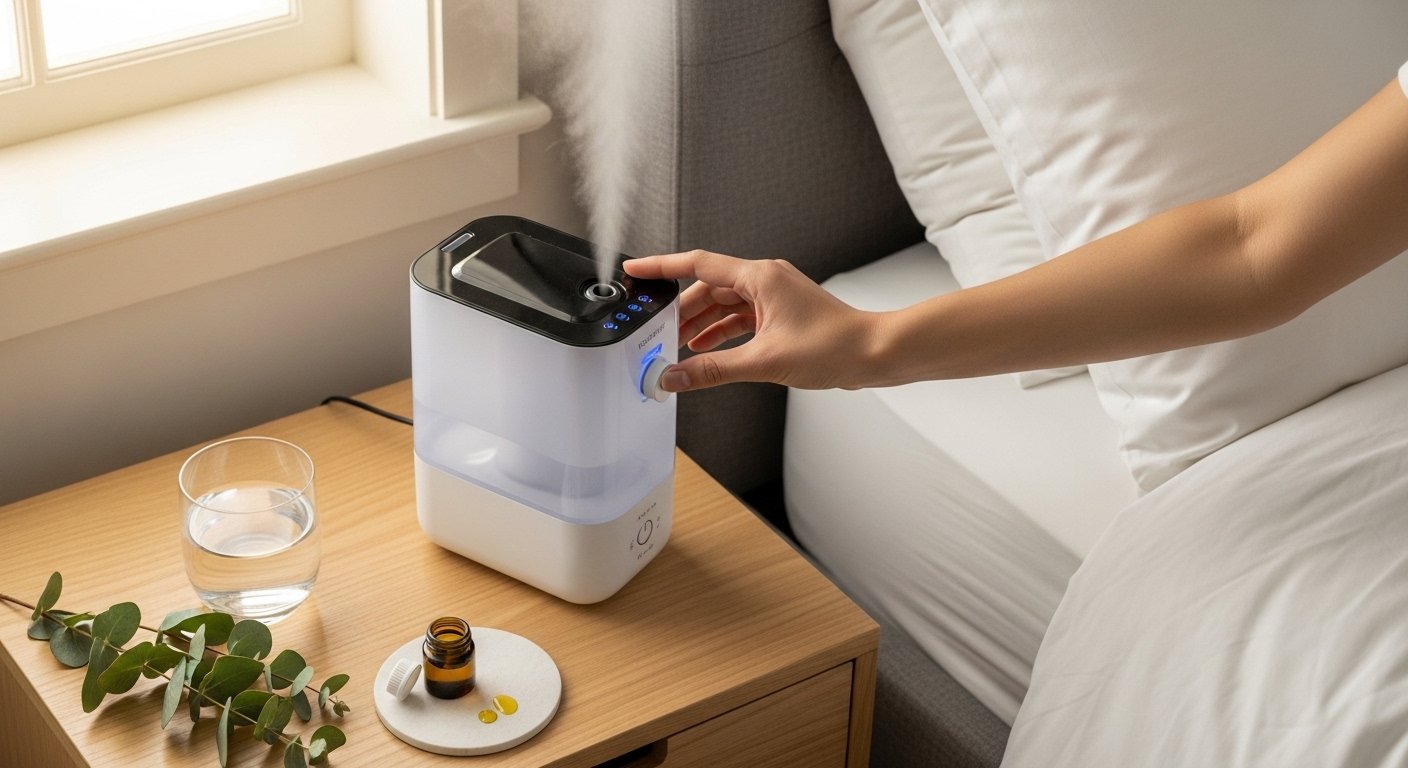
Sinus infections, or sinusitis, can cause a great deal of discomfort, from facial pain to a stuffy nose and persistent headache. As the weather changes, many people experience sinus issues that can leave them feeling miserable. One natural solution gaining popularity for managing sinus infections is the use of a humidifier. If you’ve ever wondered whether a humidifier could provide relief for sinus infections, you’re not alone. Humidifier and Sinus Infection, in this article, we’ll explore the relationship between humidifiers and sinus infections, discuss the benefits, and guide you on how to use a humidifier effectively to improve your symptoms.
What is a Sinus Infection?
Before diving into how humidifiers can help with sinus infections, it’s important to understand what sinusitis is and what causes it. Sinusitis occurs when your sinuses—air-filled cavities in your forehead, cheeks, and nose—become inflamed or swollen. This inflammation can result from infections (usually viral), allergies, or environmental factors like pollution and dry air.
Common symptoms of a sinus infection include:
Nasal congestion
Thick, green or yellow mucus
Pressure around the eyes, cheeks, or forehead
Headache
Cough
Fatigue
Sinus infections can be acute (lasting up to four weeks), subacute (4 to 12 weeks), or chronic (lasting more than 12 weeks).
How Can a Humidifier Help with Sinus Infections?
Dry air, particularly in winter months or in air-conditioned spaces, can worsen sinus problems by drying out the nasal passages and mucous membranes. This can make it harder to clear mucus and lead to increased discomfort during a sinus infection. A humidifier works by adding moisture to the air, which helps keep the nasal passages and sinuses hydrated. Here’s how a humidifier can be beneficial:
1. Moisturizes the Air
When the air is dry, it can cause irritation in the sinuses and make it more difficult for mucus to drain. Humidifiers add moisture to the air, preventing the sinuses from drying out and making it easier to clear out mucus.
2. Relieves Nasal Congestion
A humidifier can help reduce the inflammation in the nasal passages, making it easier to breathe. This can provide much-needed relief for those suffering from congestion caused by sinus infections.
3. Soothes Irritated Sinuses
Dry air can irritate the sensitive tissues inside the sinuses. By keeping the air moist, a humidifier can help soothe these tissues and reduce the discomfort associated with sinus infections.
4. Prevents Sinus Dryness
For those with chronic sinus issues, a humidifier can help prevent dryness that might lead to further sinus infections or irritation. Keeping the sinuses moisturized is key to reducing symptoms and preventing flare-ups.
5. Improves Sleep Quality
Sinus infections often disrupt sleep due to congestion and discomfort. Using a humidifier at night can help keep the nasal passages open, reduce snoring, and improve overall sleep quality, making it easier to rest and recover.
Types of Humidifiers for Sinus Relief
There are several types of humidifiers available, each with its own benefits. When choosing a humidifier for sinus infection relief, consider the following options:
1. Evaporative Humidifiers
Evaporative humidifiers use a fan to blow air through a wet wick filter. These are ideal for those looking for a self-regulating humidifier, as they maintain the ideal humidity level by adjusting to the room’s moisture content.
2. Ultrasonic Humidifiers
Ultrasonic humidifiers use ultrasonic vibrations to create a fine mist. These devices are quieter than evaporative models and are a good choice if noise is a concern. They are also more energy-efficient, making them ideal for prolonged use.
3. Cool Mist Humidifiers
Cool mist humidifiers add cool moisture to the air, which can help reduce inflammation in the nasal passages and provide relief from sinus discomfort. These are especially beneficial for sinus infections caused by dry indoor air.
4. Warm Mist Humidifiers
Warm mist humidifiers boil water to create warm steam, which can help open up blocked sinuses and soothe irritation. These types of humidifiers can also help kill bacteria and germs, making them a good choice for those with bacterial sinus infections.
How to Use a Humidifier for Sinus Relief
To get the best results, it’s important to use your humidifier properly. Here are some tips for maximizing the effectiveness of a humidifier when you have a sinus infection:
1. Keep the Humidifier Clean
Bacteria and mold can grow in humidifiers if they’re not cleaned regularly. Be sure to follow the manufacturer’s cleaning instructions to avoid spreading germs into the air.
2. Use Distilled Water
To prevent mineral buildup in the humidifier and reduce the risk of breathing in harmful particles, use distilled or purified water in your humidifier instead of tap water.
3. Position the Humidifier Correctly
Place the humidifier in a central location in the room, ideally near your bed if you’re using it while sleeping. Ensure that the mist is not blowing directly into your face to avoid irritation.
4. Monitor Humidity Levels
It’s essential to maintain the humidity levels between 30% and 50%. Too much moisture can encourage the growth of mold and dust mites, which can exacerbate allergies and sinus issues. Consider using a hygrometer to monitor the humidity in your space.
5. Use in Conjunction with Other Remedies
While a humidifier can help alleviate sinus symptoms, it’s best to use it as part of a holistic approach. Other remedies like saline nasal sprays, steam inhalation, staying hydrated, and using over-the-counter decongestants can further aid your recovery.
Other Benefits of Humidifiers for Overall Health
Humidifiers can provide more than just relief from sinus infections. Here are additional health benefits to consider:
1. Prevents Dry Skin and Lips
Dry indoor air can cause dry skin and chapped lips. A humidifier helps keep your skin hydrated, preventing irritation and flakiness.
2. Reduces Static Electricity
Humidified air can help reduce static electricity, preventing that annoying shock when you touch metal objects.
3. Eases Respiratory Issues
In addition to sinus infections, dry air can worsen conditions like asthma and allergies. Humidifiers can help by keeping the airways moist, making it easier to breathe.
4. Improves Sleep
Humidifiers improve sleep quality by keeping the nasal passages moist, reducing snoring, and preventing a dry throat.
When to See a Doctor
While a humidifier can provide relief, it’s important to recognize when a sinus infection requires professional medical attention. If your symptoms persist for more than 10 days or worsen despite using a humidifier, you may need to see a doctor. Additional treatments, including antibiotics (for bacterial infections), may be necessary.
Signs that you should consult a doctor include:
Severe facial pain
High fever
Green or yellow mucus that doesn’t improve
Recurring sinus infections
Conclusion: The Power of Humidifiers in Sinus Infection Relief
Using a humidifier is a simple yet effective way to ease the discomfort of sinus infections and help your body recover faster. By moisturizing the air, soothing irritated sinuses, and preventing further drying, a humidifier can make a significant difference in your daily comfort and overall health. Whether you’re dealing with a common cold, seasonal allergies, or a sinus infection, a humidifier can be a valuable tool in your home wellness routine.
If you suffer from sinus infections regularly, incorporating a humidifier into your daily environment could help reduce the frequency and severity of your symptoms. By following the tips outlined in this article, you can maximize the benefits of your humidifier for sinus relief and create a healthier living space.
