
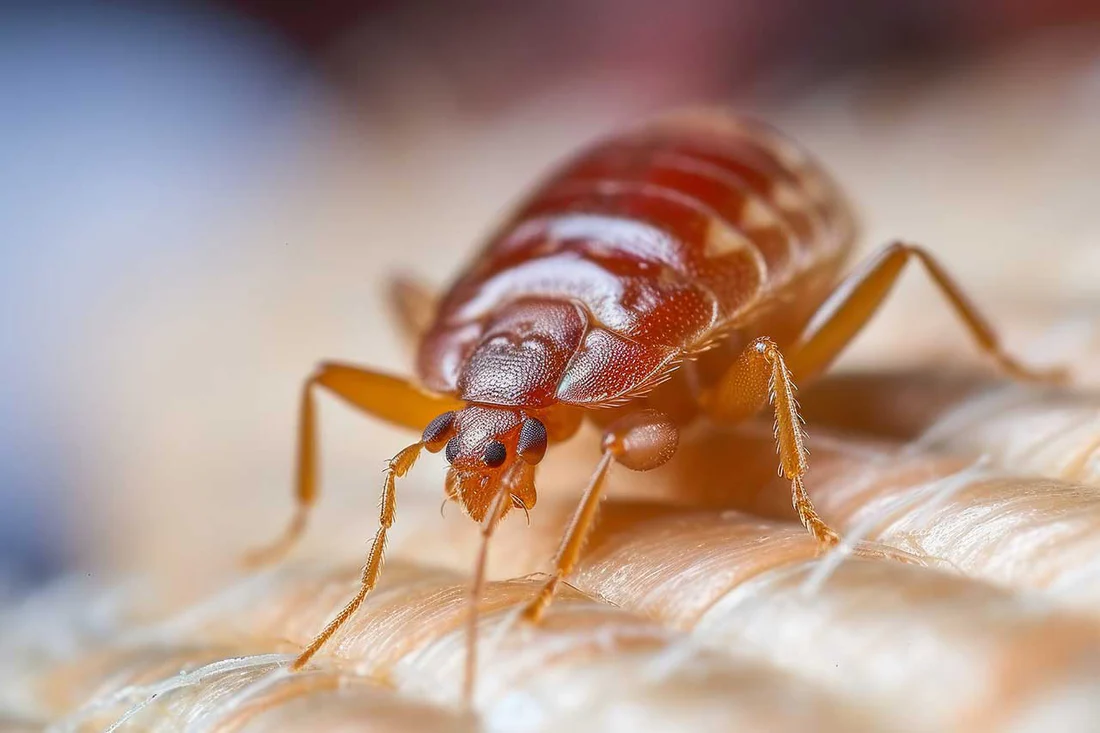
Fleas are tiny, often pesky creatures that most pet owners and homeowners dread. Known for their ability to infest homes, especially in the presence of pets, fleas can cause discomfort, itching, and even transmit diseases. One of the most common questions about fleas is whether or not they can fly. This article will delve into the behavior and movement patterns of fleas, dispelling myths and offering insights into how they travel, how they impact your pets and home, and how you can effectively manage flea infestations.
What Are Fleas?
Before answering whether fleas can fly, it’s important to understand what fleas are. Fleas are small, wingless insects from the order Siphonaptera. They are parasitic insects that rely on the blood of mammals and birds for nourishment. Their flat bodies, powerful legs, and specialized mouthparts make them excellent at jumping from host to host.
Fleas are notorious for their ability to infest pets like cats and dogs, but they can also affect humans. Adult fleas feed on blood, leaving itchy, red welts behind, and they can also carry diseases like tapeworms, cat scratch fever, and even the plague.
Can Fleas Fly?
No, fleas cannot fly. Despite the common misconception that fleas are capable of flying, they are actually wingless insects. Fleas are known for their exceptional jumping ability, which allows them to leap great distances relative to their size. This jumping ability is made possible by their strong hind legs, which provide them with the force necessary to propel themselves onto their host or to travel short distances.
While fleas lack wings, they rely on jumping to move around. Their jumping power is so remarkable that they can leap vertically up to 7 inches and horizontally up to 13 inches, which is more than 200 times the length of their body. This ability allows them to quickly move from one animal to another, and it also helps them avoid predators and find new feeding grounds.
How Do Fleas Move Around?
As mentioned, fleas do not fly, but they have evolved other methods for moving. Their primary mode of transportation is jumping. Fleas have long, strong, and flexible hind legs that act as powerful springs. The muscles in their legs contract and store energy, allowing them to release that energy rapidly and launch themselves through the air.
The strength of the flea’s jump is attributed to its unique biology. Fleas have a special protein in their leg muscles called resilin, which acts as a spring, providing the stored energy for their jumps. This allows them to leap distances many times greater than their body length, making it easy for them to jump from one pet to another or from an animal to a human.
Fleas can also move around by crawling. They are able to scurry across surfaces quickly and efficiently when necessary, but their primary mode of transportation is still jumping.
Flea Life Cycle and Behavior
Understanding the flea life cycle can help you better understand how fleas infest your home or pets. The flea life cycle consists of four stages:
Egg: Fleas lay their eggs on the host (e.g., a dog or cat). These eggs fall off into the environment, such as carpets, bedding, or floors.
Larvae: The flea larvae hatch from the eggs and begin to feed on organic debris, including adult flea feces, which contains partially digested blood.
Pupa: The larvae spin a cocoon and enter the pupal stage. Fleas in the pupal stage can remain dormant for weeks or even months, waiting for the right conditions to emerge as adults.
Adult: Once conditions are right, adult fleas emerge from their cocoons, jump onto a host, and begin the cycle anew by feeding on blood.
Fleas primarily spread by jumping from one host to another, but their eggs and larvae can be found in carpets, bedding, or any environment where the host spends time.
How Fleas Infest Your Home
Fleas do not fly, but they are extremely effective at infesting homes due to their jumping ability. If a flea jumps from an infested pet, it can land in your home’s environment, laying eggs that hatch and develop into new fleas. The larvae can hide in carpets, furniture, and bedding, making it easy for fleas to go unnoticed until an infestation becomes severe.
Fleas can infest homes in a few different ways:
Pets: The most common method of flea infestation is through pets, especially cats and dogs. Fleas latch onto animals when they come into contact with an infested area, and the fleas lay eggs in the pet’s fur.
Humans: Fleas can also jump onto humans if they are in an environment where fleas are present. While humans are not typically a primary host, they can still become hosts in certain circumstances.
Wildlife: Animals such as raccoons, squirrels, and rodents can bring fleas into your home. Wild animals that live in or near your home can contribute to flea infestations.
Signs of Flea Infestation
If you suspect a flea infestation in your home, look for the following signs:
Flea Bites: Fleas bite humans and pets, leaving small, red, itchy welts.
Flea Dirt: Flea dirt looks like small black specks, which are flea feces containing digested blood. You may find flea dirt on pet bedding or in carpets.
Visible Fleas: Adult fleas can sometimes be seen moving around in your pet’s fur or on the floors. They are small, dark brown insects that move quickly.
Excessive Scratching: If your pet is scratching or biting at their fur more than usual, it could be due to flea bites.
Hair Loss: Fleas can cause hair loss in pets, particularly around the neck or tail area, due to excessive scratching and biting.
How to Get Rid of Fleas
Although fleas cannot fly, they can still become a serious problem. If left untreated, fleas can lead to significant discomfort and health issues for both pets and humans. Here’s how to deal with a flea infestation:
1. Treat Your Pets
Use flea treatments such as flea collars, topical treatments, oral medications, or shampoos that are specifically designed to kill fleas. Consult your veterinarian to find the most suitable treatment for your pet.
Regularly bathe and groom your pets to remove fleas and flea dirt from their fur.
2. Clean Your Home
Vacuum your home thoroughly, especially carpets, rugs, and pet bedding, to remove fleas, larvae, and eggs. Be sure to dispose of the vacuum bag or empty the vacuum canister immediately.
Wash pet bedding and any fabrics your pet uses, such as blankets, in hot water.
Consider using flea sprays or foggers designed for your home environment to kill fleas in carpets, furniture, and other hidden places.
3. Flea Traps
You can also use flea traps to catch adult fleas. These traps typically use light or heat to attract fleas, which then get trapped in sticky pads.
4. Pest Control
In severe cases, it may be necessary to call a professional pest control service to treat your home.
Preventing Future Flea Infestations
Once you have dealt with a flea infestation, it’s essential to take steps to prevent future occurrences. Here are some helpful tips:
Use flea preventatives: Keep your pets on flea preventatives year-round, even if they do not show signs of fleas.
Inspect your pets: Regularly check your pets for fleas, especially after trips outdoors or visits to areas where fleas are common.
Maintain cleanliness: Keep your home clean, particularly in areas where your pet spends time, to minimize the risk of fleas.
Conclusion: Fleas Can’t Fly, But They Can Jump
While fleas cannot fly, their remarkable jumping ability allows them to move quickly between hosts and spread infestations. If you suspect a flea infestation in your home, act quickly to eliminate the fleas and prevent them from returning. Regularly treating your pets, maintaining cleanliness in your home, and using preventative measures can help ensure that fleas do not become a recurring issue.
If you’re dealing with a flea infestation, don’t wait—take action today to protect your pets, family, and home from these pesky parasites.
