
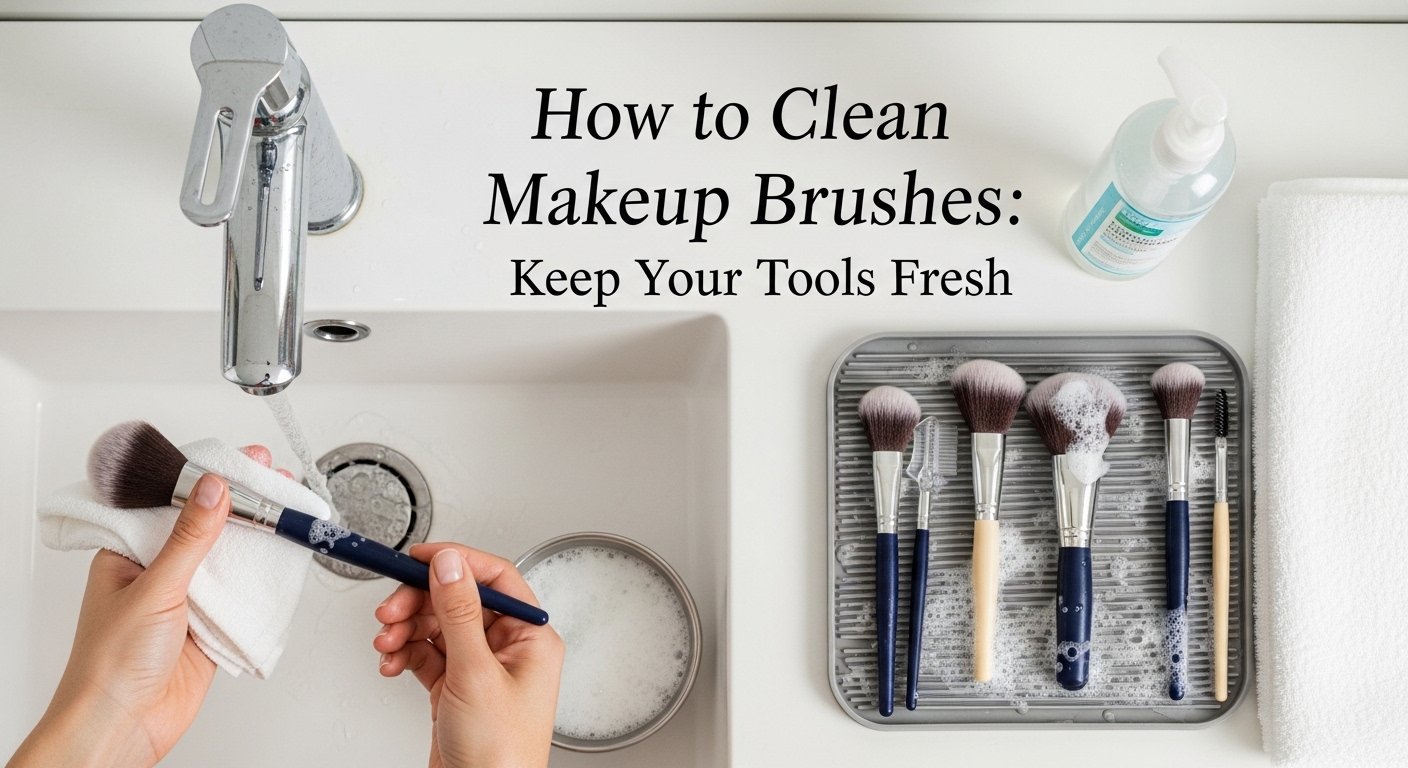
Makeup brushes are an essential part of every beauty routine, helping to create flawless makeup looks. However, cleaning them often gets overlooked in favor of other beauty tasks. Properly cleaning makeup brushes is not only important for maintaining the longevity of your tools but also for ensuring the health of your skin. Dirty brushes can accumulate oil, dirt, bacteria, and leftover product, which can lead to clogged pores, breakouts, and other skin irritations.
In this comprehensive guide, we’ll walk you through the best ways to clean makeup brushes, why it’s important, and how to ensure your brushes stay in tip-top shape. Whether you’re a makeup artist or someone who loves experimenting with makeup at home, this article will provide you with all the information you need to keep your tools clean and your skin healthy.
Why Cleaning Your Makeup Brushes is Crucial
Before we dive into the cleaning methods, let’s talk about why cleaning your makeup brushes is so important. There are several reasons why you should make cleaning your brushes a part of your regular beauty routine:
1. Hygiene and Health
Your brushes collect dirt, oil, and bacteria from your face, makeup products, and the environment. Over time, these can build up and transfer to your skin, leading to clogged pores, acne, and irritation. Keeping your brushes clean helps minimize the risk of breakouts and skin infections.
2. Better Makeup Application
Clean brushes allow for smoother application of makeup. Dirty brushes can cause uneven distribution of products and streaks on the skin. Regular cleaning ensures that your brushes function at their best, giving you flawless results every time.
3. Prolong the Life of Your Brushes
Makeup brushes are an investment, and proper maintenance can prolong their lifespan. Cleaning brushes regularly removes built-up product residue that can degrade the bristles, causing them to fray or lose their shape over time.
4. Prevent Product Contamination
If you use your brushes with different makeup products, leftover products can mix and create unwanted contamination. Regularly cleaning your brushes ensures that they stay free from product buildup, which can alter the colors or textures of your makeup.
How Often Should You Clean Your Makeup Brushes?
The frequency with which you should clean your brushes depends on how often you use them and the type of makeup you use. Here’s a general guideline:
Daily Use: If you use brushes daily, it’s essential to clean them at least once a week. For brushes used on liquid products, such as foundation or concealer, cleaning should be done more frequently.
Occasional Use: If you only use brushes occasionally, clean them every two to three weeks.
Beauty Professionals: If you’re a makeup artist or use your brushes on others, clean them after every use to prevent cross-contamination.
What You’ll Need to Clean Your Brushes
To properly clean your makeup brushes, you don’t need fancy tools or products. Here’s a list of what you’ll need:
Brush Cleaner: You can purchase a commercial brush cleaner or use a DIY solution like baby shampoo, mild dish soap, or olive oil.
Water: Lukewarm water is ideal. Avoid hot water, as it can damage the bristles.
Towel: To dry your brushes.
Small Bowl: For mixing the cleaning solution.
Brush Cleaning Mat (Optional): This helps gently cleanse the brushes and removes more product.
Step-by-Step Guide to Cleaning Your Makeup Brushes
1: Prepare Your Cleaning Solution
Start by preparing a cleaning solution. You can either purchase a makeup brush cleanser or use a simple DIY mixture. If you want a homemade solution, mix a few drops of mild dish soap or baby shampoo with lukewarm water in a small bowl. For a deeper clean, add a few drops of olive oil to help break down product residue.
2: Wet Your Brushes
Dampen the bristles of your makeup brushes under lukewarm running water. Be sure to avoid wetting the ferrule (the metal part of the brush), as this can cause the glue to break down, leading to loose bristles.
3: Clean Your Brushes
Dip the brush tips into the cleaning solution, swirling gently. For a more thorough cleanse, gently rub the bristles in a circular motion on your hand or a brush cleaning mat. This helps to dislodge the product and oil from the bristles.
4: Rinse and Repeat
After cleaning, rinse the brushes thoroughly under running water. If you notice that the water runs clear, your brush is clean. If there is still product buildup, repeat the process until the water runs clear.
5: Dry the Brushes
Gently squeeze out any excess water from the bristles with a towel. Lay your brushes flat on a clean towel to dry. Avoid standing them upright as water can seep into the ferrule, loosening the bristles. Allow the brushes to air dry overnight.
Different Methods for Cleaning Makeup Brushes
In addition to the standard method outlined above, there are other techniques for cleaning makeup brushes, depending on your preferences and available tools.
1. Spot Cleaning Method
If you’re short on time and need a quick fix, spot cleaning is an excellent solution. This method involves using a makeup brush cleaner (spray or liquid) to disinfect the brush quickly. Simply spray or apply the cleaner to the brush and wipe it on a clean tissue or paper towel. This method is great for sanitizing brushes in between full washes, but it’s not a replacement for deep cleaning.
2. Using a Brush Cleaning Tool
Brush cleaning tools such as mats, sponges, or gloves can be a game-changer in simplifying the cleaning process. These tools have textured surfaces that help you clean the bristles thoroughly, removing product buildup more efficiently.
3. Cleaning Brush Sets
Some brands offer brush cleaning sets, which include cleaning sprays, cleansing cloths, and even special devices to help you clean your brushes faster and more effectively.
Troubleshooting Common Brush Cleaning Issues
1. Brushes Not Drying Properly
If your brushes are taking too long to dry, make sure you’re laying them flat. Also, try to avoid using excessive water, as it can take longer for the brush to dry. A fan or a brush dryer can speed up the process.
2. Brush Bristles Shed
Brush shedding is natural over time, but excessive shedding can occur if you’re using hot water or aggressive scrubbing. Be gentle when cleaning, and avoid using harsh cleaning agents or rough scrubbing motions.
3. Stubborn Product Buildup
Some products like foundation or mascara can be challenging to clean off. In these cases, a mixture of baby shampoo and olive oil can break down stubborn makeup residue. If needed, let your brushes soak for a few minutes before scrubbing.
Brush Maintenance Tips
Shape the Bristles: After drying, gently reshape the bristles to maintain their form and prevent them from becoming misshapen.
Use a Brush Guard: Brush guards help keep your brushes in top condition by protecting them from dust and debris.
Store Your Brushes Properly: Store your brushes upright in a clean, dry container to avoid dust buildup. A brush holder or jar can help keep them organized and in good shape.
Frequently Asked Questions (FAQs)
How often should I clean my makeup brushes?
It’s recommended to clean your brushes at least once a week, especially if you use them daily. If you use brushes for liquid products, more frequent cleaning is required.Can I clean my brushes with just water?
While water can help rinse off some product, it’s best to use a brush cleaner or mild soap for deep cleaning. Water alone won’t remove buildup effectively.Why are my brushes shedding after cleaning?
Brush shedding can occur due to overuse, rough cleaning, or poor quality. Ensure you clean brushes gently and avoid excessive heat or friction.Can I use regular soap to clean my makeup brushes?
Mild dish soap, baby shampoo, or gentle liquid soap works best for cleaning brushes. Avoid using harsh soaps that could damage the bristles.How do I dry my makeup brushes quickly?
Lay brushes flat on a towel to dry. You can also use a fan or a brush dryer to speed up the drying process.
Conclusion
Cleaning your makeup brushes may seem like a tedious task, but it’s essential for both the longevity of your tools and the health of your skin. Regular cleaning helps prevent the buildup of bacteria and product residue, ensuring that your brushes work efficiently and your makeup looks flawless every time. By following the simple steps outlined in this guide, you can maintain your brushes and keep your skin free from irritations.
Start incorporating regular brush cleaning into your beauty routine today for better, cleaner makeup applications tomorrow. Don’t forget to share this guide with your friends and family so they can also enjoy the benefits of clean, well-maintained makeup tools.
