
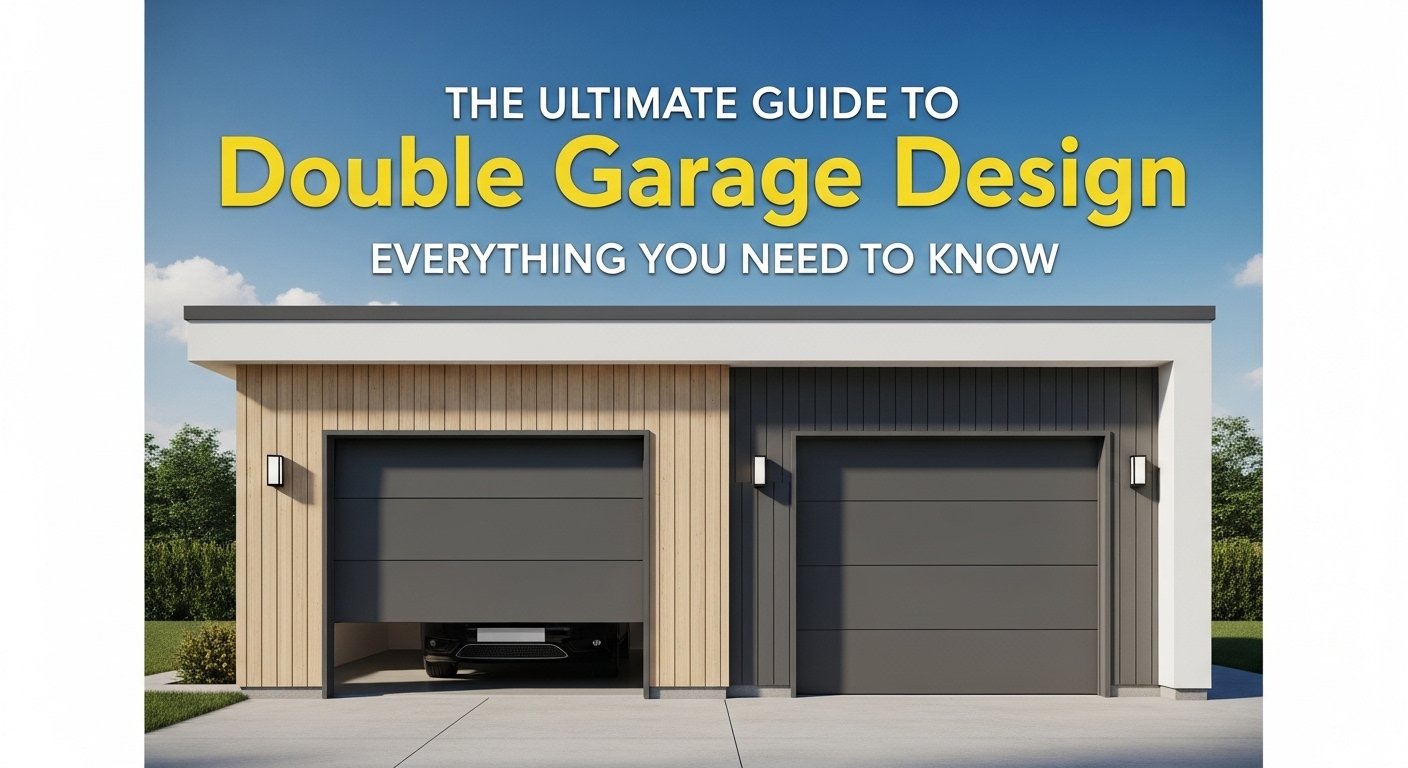
Whether you’re building a new home or upgrading your existing property, getting the double garage design right can significantly enhance your home’s functionality, kerb appeal, and overall value. In the UK, garages have evolved far beyond simple car storage — they’ve become versatile spaces for workshops, home gyms, and even living extensions. Understanding the standard double garage size UK homeowners typically work with is the essential first step in planning a garage that perfectly suits your lifestyle and property. In this comprehensive guide, we’ll walk you through everything from dimensions and layout options to materials, styles, and planning permission considerations so you can create the ideal double garage for your home.
Why Choose a Double Garage?
Before diving into the specifics of design and dimensions, it’s worth understanding why a double garage is such a popular choice among UK homeowners.
Increased Storage Space: A double garage offers significantly more room than a single garage, allowing you to park two vehicles comfortably while still having space for tools, bicycles, seasonal equipment, and storage shelving.
Property Value Boost: Estate agents consistently report that a well-designed double garage can add between 5% and 10% to a property’s value. In competitive housing markets across the UK, this can translate to tens of thousands of pounds.
Versatility: Modern homeowners use double garages for far more than parking. A double garage can serve as a home office, gym, workshop, playroom, or even a potential conversion into habitable living space down the line.
Convenience: Having space for two vehicles means no more shuffling cars on the driveway during morning rush hours. It also means both vehicles are protected from the elements, reducing wear, theft risk, and frost-related inconvenience during the winter months.
Standard Double Garage Size UK Homeowners Should Know
One of the most common questions homeowners ask is: what is the standard double garage size in the UK? While there is no single legally mandated measurement, there are widely accepted industry standards that builders and architects follow.
Minimum Double Garage Dimensions:
- Width: 5.5 metres (approximately 18 feet)
- Depth: 5.5 metres (approximately 18 feet)
- Height: 2.4 metres to the eaves (approximately 7 feet 10 inches)
These minimum dimensions allow for two average-sized cars to be parked side by side with enough room to open doors comfortably.
Recommended Double Garage Dimensions:
- Width: 6 metres to 7 metres (approximately 20 to 23 feet)
- Depth: 6 metres to 7 metres (approximately 20 to 23 feet)
- Height: 2.5 metres to 3 metres to the eaves
The recommended dimensions are particularly important if you own larger vehicles such as SUVs, pickup trucks, or vans. Extra width and depth ensure easy manoeuvring and provide additional room for workbenches, storage racks, or a small workshop area along the walls.
Generous or Oversized Double Garage Dimensions:
- Width: 7 metres to 8 metres (approximately 23 to 26 feet)
- Depth: 7 metres to 9 metres (approximately 23 to 30 feet)
If you’re planning to use part of the garage as a workshop, gym, or hobby space, an oversized layout gives you the freedom and flexibility to do so without compromising vehicle parking.
Factors That Influence Your Double Garage Size
Several factors can affect the ideal size for your double garage:
- Vehicle Size: The average UK car is approximately 4.5 metres long and 1.8 metres wide. However, if you drive larger vehicles — such as a Range Rover, Ford Ranger, or Mercedes GLE — you’ll need to account for their larger footprint. Always measure your specific vehicles and add at least 0.6 metres of clearance on each side and behind.
- Door Configuration: Your choice between a single wide door or two individual doors affects interior space utilisation. A single wide door (typically 4.2 to 4.8 metres) eliminates the central pillar, giving you more flexible internal space. Two separate doors (each typically 2.1 to 2.4 metres wide) offer independent access but require a supporting pillar between them.
- Storage Needs: Consider whether you’ll need wall-mounted shelving, ceiling-mounted storage racks, tool pegboards, or dedicated zones for garden equipment and bicycles. Each of these requirements adds to the total space you’ll need.
- Future Use: Think long-term. If there’s a possibility you might convert part of the garage into a home office, gym, or utility room, plan for extra space now. Retrofitting is always more expensive and less efficient than designing for flexibility from the start.
- Plot Size and Planning Constraints: Your available land and local planning regulations will ultimately dictate the maximum footprint. Always check with your local planning authority before finalising dimensions.
Popular Double Garage Design Styles
The design style of your double garage should complement your home’s existing architecture while meeting your functional needs. Here are the most popular styles in the UK:
- Traditional Brick-Built Garage
A traditional brick-built double garage is the most common choice for UK homeowners. Built with matching bricks and roof tiles to complement the main house, this style offers excellent durability, security, and thermal performance. It’s also the best option if you’re considering a future conversion to habitable space, as it already meets many building regulation standards.
- Timber Frame Garage
Timber frame garages have surged in popularity thanks to their attractive rustic appearance and relatively quick construction times. Oak frame garages, in particular, are a premium choice that adds stunning character to period properties and countryside homes. They can be left open-fronted for a cart lodge effect or fully enclosed with traditional garage doors.
- Prefabricated Steel or Concrete Garage
For homeowners on a tighter budget or timeline, prefabricated garages offer a practical solution. These sectional concrete or steel panel garages can be erected in a matter of days and provide functional, secure car storage. While they lack the aesthetic appeal of brick or timber, modern options come with improved finishes and can be rendered or clad to match your home.
- Contemporary Flat-Roof Garage
A sleek, modern flat-roof double garage suits contemporary homes and new-build developments. This style maximises internal height and can incorporate features like green roofs, rooftop terraces, or solar panel installations. Large aluminium-framed garage doors complete the modern look.
- Barn-Style Garage
Inspired by agricultural barn conversions, this style features high vaulted ceilings, exposed beams, and large openings. It’s ideal for properties in rural settings and provides generous overhead storage or loft space above the parking area.
Double Garage Door Options
The garage door is one of the most visually prominent elements of your double garage design. Choosing the right type impacts both aesthetics and functionality.
Up-and-Over Doors: The classic choice, these doors swing outward and then slide up into a horizontal position beneath the ceiling. They’re affordable and reliable but require clearance space in front of the garage when opening.
Roller Doors: These doors coil neatly into a compact drum above the opening, saving both internal and external space. They’re excellent for garages with limited headroom or those located close to the road or driveway.
Sectional Doors: Made up of horizontal panels that slide upward along tracks and rest beneath the ceiling, sectional doors offer a good balance of insulation, security, and space efficiency. They’re popular in the UK for their smooth, quiet operation.
Side-Hinged Doors: Traditional side-hinged doors open outward like conventional doors. They’re perfect for garages that are used frequently for non-vehicular access, such as workshops or storage.
Bi-Fold Doors: A more contemporary option, bi-fold doors fold to one or both sides, creating a wide, unobstructed opening. They’re an excellent choice if your garage doubles as an entertainment or workshop space.
Materials for Garage Doors
- Steel: Durable, low-maintenance, and available in a range of colours and finishes.
- Timber: Beautiful and traditional but requires regular maintenance (painting or staining).
- Aluminium: Lightweight, corrosion-resistant, and suits modern designs.
- GRP (Glass Reinforced Polyester): Can mimic the appearance of timber without the maintenance burden.
Planning Permission and Building Regulations in the UK
Understanding the legal requirements is a critical step in your double garage project.
Planning Permission:
In many cases, a detached double garage can be built under Permitted Development Rights without needing formal planning permission, provided it meets certain criteria:
- It must not cover more than 50% of the total land area around the original house.
- It must not be forward of the principal elevation facing a highway.
- The maximum height must not exceed 4 metres for a dual-pitched roof or 3 metres for any other type.
- If within 2 metres of a boundary, the maximum eaves height is 2.5 metres.
- Materials should be similar in appearance to the existing house.
However, if your property is in a Conservation Area, Area of Outstanding Natural Beauty (AONB), National Park, or is a listed building, additional restrictions apply and you will almost certainly need planning permission.
Building Regulations:
If your double garage is attached to the house, or if you plan to include electrical installations, plumbing, or heating, you’ll need to comply with relevant Building Regulations. Key areas include:
- Structural integrity (Part A)
- Fire safety (Part B) — particularly important for attached garages
- Electrical safety (Part P)
- Drainage (Part H)
- Energy efficiency (Part L) — if the garage is to be a habitable space
Always consult with your local Building Control department or hire an approved inspector to ensure compliance.
Interior Design and Layout Tips for a Double Garage
A well-thought-out interior layout can transform your double garage from a simple car park into a highly functional multi-purpose space.
- Flooring: Consider epoxy-coated concrete or interlocking rubber tiles for a durable, easy-to-clean floor. If you’re planning a gym or workshop area, rubber matting provides comfort and protects the underlying surface.
- Lighting: Install bright LED panel lights or fluorescent strips across the ceiling for even illumination. Consider task lighting over workbench areas and motion-sensor lights for convenience.
- Wall Storage: Make full use of vertical space with wall-mounted pegboards, slat wall systems, and heavy-duty brackets for ladders, bicycles, and garden tools. This keeps the floor clear and maximises usable space.
- Ceiling Storage: Overhead storage racks suspended from the ceiling are perfect for seasonal items like Christmas decorations, camping gear, and roof boxes that you don’t need regular access to.
- Workbench Area: If you enjoy DIY projects, dedicate one end of the garage to a sturdy workbench with built-in storage drawers, a vice, and a power strip for tools.
- Zoning: Mentally divide the garage into zones — parking, storage, workshop, and utility. Even simple visual markers like different coloured floor tiles or painted lines can help maintain organisation.
- Insulation: If you plan to spend extended time in the garage (workshop, gym, or office use), insulating the walls, ceiling, and garage door will make the space comfortable year-round and reduce energy costs.
- Ventilation: Proper ventilation is essential, especially if you’re storing chemicals, paints, or fuel. Install wall vents or an extractor fan to maintain good air quality.
Cost of Building a Double Garage in the UK
The cost of building a double garage varies significantly depending on the design, materials, and location. Here’s a general breakdown for 2025/2026:
| Type | Estimated Cost Range |
| Prefabricated Concrete | £4,000 – £10,000 |
| Timber Frame | £10,000 – £25,000 |
| Brick-Built (Standard) | £20,000 – £40,000 |
| Oak Frame (Premium) | £25,000 – £50,000+ |
| Contemporary/Architect-Designed | £30,000 – £60,000+ |
These estimates include materials and labour but may not cover groundworks, planning fees, electrical installations, or interior fit-out. Always obtain at least three detailed quotes from reputable local builders and ensure they include a full breakdown of costs.
Tips for a Successful Double Garage Project
Start with a clear brief: Know exactly what you want from your garage before approaching designers or builders. List your must-haves and nice-to-haves.
Hire professionals: A good architect or building designer can optimise your layout, ensure compliance, and potentially save you money through efficient design.
Don’t skimp on foundations: A solid, well-drained foundation is essential for any garage. Poor groundwork leads to cracking, subsidence, and damp problems.
Think about access: Ensure your driveway approach and turning circle allow easy access into and out of the garage. Consider the gradient and drainage of the apron in front of the doors.
Match your home: A garage that complements your home’s architecture, materials, and colour palette will look intentional and polished, adding maximum kerb appeal and value.
Plan for utilities: If you want electricity, water, or internet in the garage, plan the routing of services early. Retrofitting is disruptive and costly.
Consider security: Invest in a high-quality garage door with a secure locking system. Add security lighting, CCTV, and an alarm if the garage will house valuable vehicles, tools, or equipment.
Conclusion
Designing the perfect double garage is a rewarding project that combines practical functionality with aesthetic appeal. Whether you’re looking for a simple, secure space to park two cars or an expansive multi-use area that incorporates a workshop, gym, or home office, getting the design and dimensions right from the outset is essential. By understanding the standard double garage size UK guidelines, exploring different architectural styles, choosing the right doors and materials, and planning your interior layout carefully, you can create a garage that not only meets your current needs but also adds lasting value to your property.
Remember, a successful garage project starts with thorough research and careful planning. Take the time to consider your options, consult professionals where needed, and invest in quality materials and construction.
For more expert advice on home improvements, home design ideas, home cleaning tips, and home décor inspiration, visit americanhomeprotect.co.uk. American Home Protect is a trusted online resource dedicated to helping homeowners make informed decisions about every aspect of their home — from major renovation projects like garage builds to everyday cleaning hacks and stylish interior décor ideas. Whether you’re planning a full property makeover or simply looking for practical tips to keep your home looking its best, American Home Protect has you covered with regularly updated guides, expert articles, and actionable advice.
