
Salmon is not only delicious but also packed with nutrients, making it a popular choice for meals. Whether grilled, baked, or poached, cooked salmon is a versatile dish enjoyed by many. However, after a delightful meal, you might wonder how long you can keep that leftover cooked salmon in the fridge without it spoiling. The shelf life of cooked salmon in the fridge can depend on a variety of factors, including storage methods and the freshness of the fish when it was first cooked.
In this article, we will explore everything you need to know about storing cooked salmon, how long it lasts in the fridge, and tips for ensuring it stays safe to eat. So, let’s dive in and address your concerns with a detailed guide that provides you with all the information you need to make the most of your leftovers!
How Long Does Cooked Salmon Last in the Fridge?
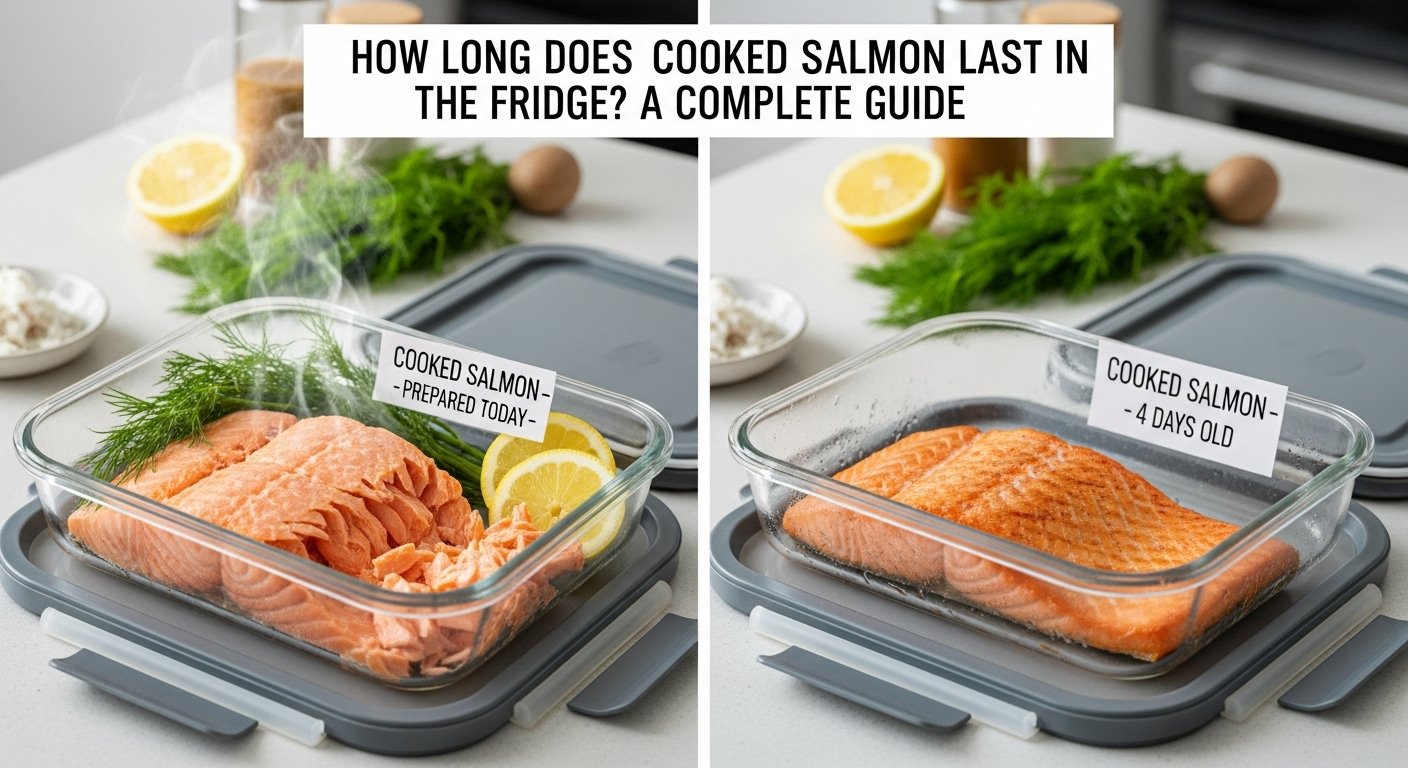
Generally, cooked salmon can last in the fridge for 3 to 4 days when stored properly. However, the longevity of cooked salmon can vary based on factors such as its preparation method, how it’s stored, and the temperature of your fridge. Below, we’ll break down these key elements to help you get the best out of your leftover salmon.
Factors Affecting the Shelf Life of Cooked Salmon
Several factors influence how long cooked salmon can stay fresh in the fridge:
Storage Method: Proper storage is key to preserving the quality and safety of your cooked salmon. If it’s stored in an airtight container or tightly wrapped in plastic or aluminum foil, it can stay fresh for a longer period.
Cooking Method: The way salmon is cooked can also impact its shelf life. Baked or grilled salmon, which is less moist, can sometimes last slightly longer than poached or pan-fried salmon, which retains more moisture.
Freshness of the Salmon: If the salmon wasn’t fresh when you cooked it, it may not last as long in the fridge, even when stored properly. Always use the freshest fish possible to ensure the best quality.
Fridge Temperature: The temperature of your fridge plays an essential role in maintaining the safety and freshness of your leftovers. Your fridge should be set at or below 40°F (4°C). Any temperature above this increases the risk of bacterial growth, which could spoil the salmon faster.
Signs Cooked Salmon Has Gone Bad
Even if you store cooked salmon properly, it won’t last forever. To avoid foodborne illness, always check for signs that the fish has gone bad before eating it. Here are a few things to look out for:
1. Off Smell
Fresh cooked salmon should have a mild, pleasant aroma. If it starts to emit a sour, ammonia-like, or overly fishy smell, it’s a clear sign that it’s no longer safe to eat.
2. Slimy Texture
The flesh of the salmon should remain firm and moist. If it becomes slimy to the touch, this could indicate bacterial growth, and the fish should be discarded.
3. Change in Color
Salmon that has gone bad may show discoloration. Look for any dull, grayish, or greenish hues in the fish. The color of fresh salmon is usually bright pink to reddish-orange.
4. Mold or Visible Growth
Any presence of mold on the surface of the fish is a definite indication that it should be thrown out immediately.
If your cooked salmon exhibits any of these signs, it’s best to discard it to avoid foodborne illness.
How to Store Cooked Salmon Properly
Storing cooked salmon correctly is crucial to extending its shelf life and ensuring it stays safe to eat. Here are a few tips for proper storage:
1. Use Airtight Containers
Place the cooked salmon in an airtight container or wrap it tightly in plastic wrap or aluminum foil. This will help prevent it from drying out and protect it from bacteria in the fridge.
2. Avoid Storing Salmon at Room Temperature
Salmon should never be left at room temperature for more than 2 hours. If the room temperature exceeds 90°F (32°C), such as during hot summer days, don’t leave it out for more than 1 hour. The longer it sits at room temperature, the greater the risk of bacteria growing, which can lead to food poisoning.
3. Store Salmon in the Coldest Part of the Fridge
To maximize freshness, store your cooked salmon in the coldest part of your fridge, usually at the back, away from the door where temperatures can fluctuate.
4. Cool Salmon Before Storing
Allow the cooked salmon to cool to room temperature before placing it in the fridge. However, do not leave it out for more than 2 hours. If you’re in a hurry, divide the fish into smaller portions to cool it down more quickly.
Can You Freeze Cooked Salmon?
If you’re unable to finish your cooked salmon within the recommended 3 to 4 days, freezing is a great option for extending its shelf life. When stored properly in the freezer, cooked salmon can last for up to 2 to 3 months.
How to Freeze Cooked Salmon:
Cool the Fish: Allow the salmon to cool completely before freezing to prevent excess moisture from forming in the packaging.
Wrap Properly: Wrap the salmon tightly in plastic wrap or aluminum foil, ensuring there’s no air exposure. Then, place it in a freezer-safe airtight container or a resealable freezer bag to prevent freezer burn.
Label and Date: Always label the package with the date you froze the salmon, so you know when to use it.
Thawing: To thaw frozen cooked salmon, place it in the fridge overnight. You can also thaw it quickly in the microwave or by running cool water over the sealed package, but this may slightly affect the texture.
Reheating Cooked Salmon:
Reheating salmon is straightforward, but you should take care not to dry it out. Here are some methods for reheating cooked salmon:
Oven: Preheat your oven to 275°F (135°C). Wrap the salmon in aluminum foil and heat it for about 15 minutes, or until it’s warmed through.
Stovetop: Heat a pan over low heat, add a little oil or butter, and place the salmon in the pan. Cover the pan with a lid and heat the fish gently for 3-4 minutes.
Microwave: If you’re short on time, the microwave is the fastest option. Place the salmon on a microwave-safe plate, cover with a damp paper towel, and heat in 30-second intervals until warmed through.
Tips to Make Cooked Salmon Last Longer
To make the most of your cooked salmon leftovers, consider these additional tips:
Add Fresh Ingredients: If you’re reheating salmon and it’s been stored for several days, consider adding fresh herbs or a squeeze of lemon to enhance the flavor.
Repurpose Leftovers: Get creative with your leftovers! Use your cooked salmon to make salmon salads, sandwiches, or even fish cakes to extend its use.
Avoid Reheating Multiple Times: Reheating cooked salmon multiple times can decrease its quality and increase the risk of foodborne illness. Only reheat what you plan to eat in one sitting.
Conclusion: Keep Your Cooked Salmon Fresh
In summary, cooked salmon can last 3 to 4 days in the fridge if stored properly. Always make sure to store it in an airtight container and keep your fridge temperature at or below 40°F (4°C). If you don’t think you’ll finish the salmon within that timeframe, freezing is a great option, and you can enjoy it for up to 2-3 months.
Always remember to check for signs of spoilage, such as an off smell, slimy texture, or color changes, before consuming cooked salmon. By following these simple guidelines, you can make the most of your cooked salmon leftovers while ensuring it remains safe and delicious to eat.
