
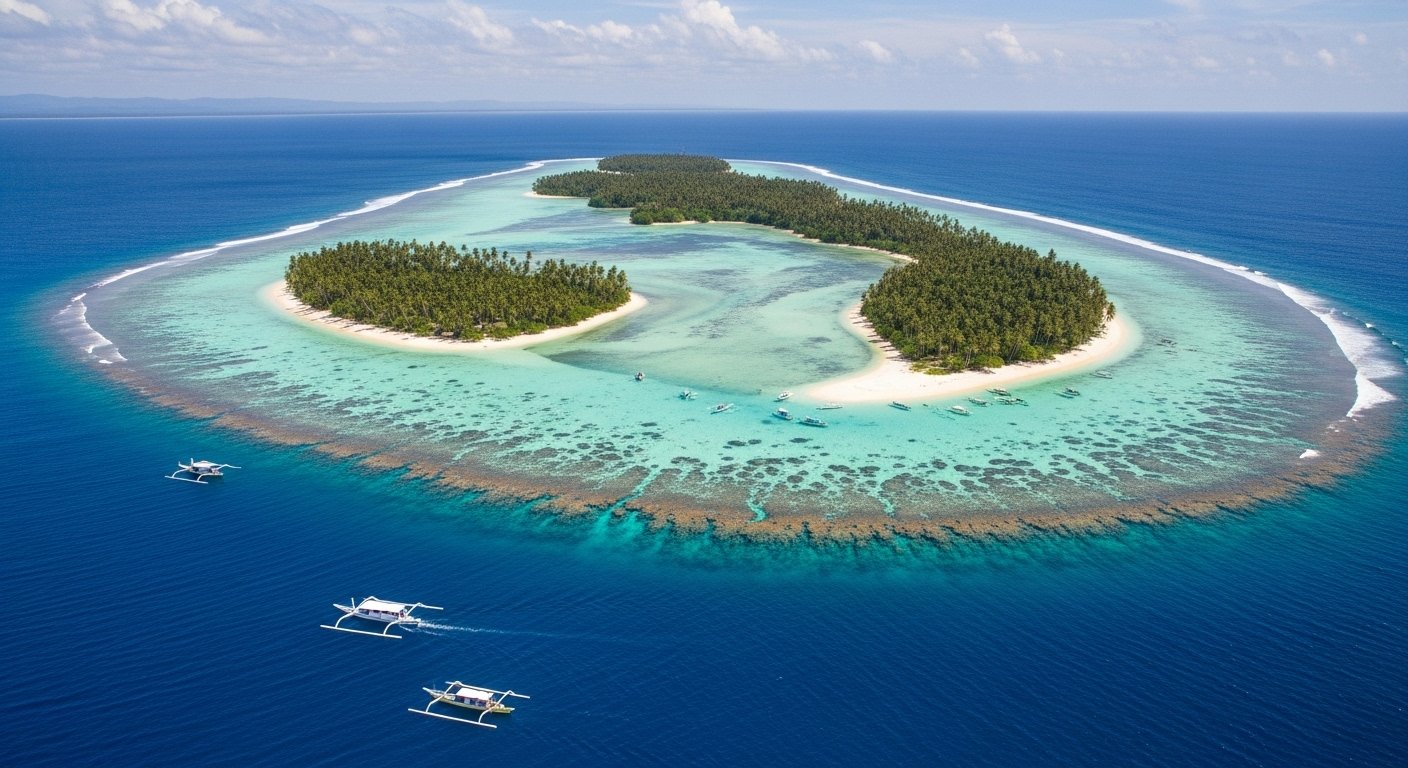
Located approximately 50 kilometers west of the Penyu Islands, the Lucipara Islands (also known as Pulau-pulau Maisel) are part of the Molucca Islands in Indonesia. These islands, relatively unknown to most travelers, offer a serene escape for those seeking adventure, pristine nature, and a glimpse of untouched beauty. In this comprehensive guide, we will explore the Lucipara Islands, highlighting their geographical significance, the allure of their pristine environments, and why they are becoming a must-visit destination for travelers in search of remote paradises.
Introduction to Lucipara Islands
The Lucipara Islands, also known as Pulau-pulau Maisel, are a collection of small islands situated in the Molucca Sea. As part of the Molucca Islands, these islands are positioned to the west of the Penyu Islands and are often overlooked by the mainstream tourism industry. This remote location offers a unique opportunity to experience a secluded tropical paradise away from the crowds, making it an increasingly popular spot for adventurous travelers and nature enthusiasts.
Known for their natural beauty, rich marine life, and tranquil atmosphere, the Lucipara Islands are a perfect destination for those looking to explore Indonesia’s lesser-known wonders. Whether you’re a lover of snorkeling, hiking, or simply soaking up the sun on a private beach, the islands provide an unforgettable experience for every kind of traveler.
Geographical Significance of Lucipara Islands
The Lucipara Islands are part of the Molucca Archipelago, located in the eastern part of Indonesia. This archipelago is renowned for its pristine environments, ranging from lush rainforests to vibrant coral reefs. Moreover, the islands lie approximately 50 kilometers west of the Penyu Islands, which are well-known within the region for their unique biodiversity and untouched landscapes.
The Molucca Sea, which surrounds the Lucipara Islands, plays a crucial role in supporting diverse marine ecosystems. The archipelago’s strategic position within the Coral Triangle makes it a hotspot for marine biodiversity, hosting numerous species of coral, fish, and other sea life.
History and Cultural Significance
The Lucipara Islands have a rich history that dates back centuries, with local indigenous groups having lived on and around these islands for generations. Though these islands have not been widely studied or documented in mainstream history, they are an essential part of the cultural and historical fabric of the Molucca Islands.
The name “Pulau-pulau Maisel” refers to a traditional local term, and the islands hold significant cultural importance to the indigenous communities. While there is limited information available about the islands’ colonial history, it is clear that the Lucipara Islands have always been an integral part of the broader Moluccan region, which was historically known for its spice trade.
Natural Beauty and Ecological Importance
The natural beauty of the Lucipara Islands is truly awe-inspiring. The islands are home to dense forests, white-sand beaches, and crystal-clear waters that are perfect for exploring. The region’s rich biodiversity makes it an ecological treasure trove. Here’s why:
Coral Reefs: The surrounding waters of the Lucipara Islands are part of the Coral Triangle, which is considered the “Amazon of the seas.” The coral reefs here are vibrant, teeming with marine life such as sea turtles, reef sharks, and an array of colorful fish species.
Tropical Rainforests: The islands’ lush, tropical rainforests are home to diverse wildlife, including various bird species, reptiles, and small mammals. The unique ecosystems contribute to the islands’ importance as a biodiversity hotspot.
Pristine Beaches: The sand is soft, and the views are breathtaking, especially during sunset when the sky is ablaze with orange and pink hues.
Biodiversity Hotspot: The surrounding waters and land ecosystems are incredibly rich in biodiversity. The area is a crucial habitat for both terrestrial and marine species, many of which are endemic to the region.
Tourism and Activities on Lucipara Islands
Although the Lucipara Islands are relatively underdeveloped in terms of tourism infrastructure, this adds to their charm, making them an attractive destination for those seeking a more authentic, off-the-beaten-path experience. Some popular activities on the islands include:
Snorkeling and Diving: The vibrant coral reefs and clear waters around the islands make it a paradise for snorkelers and divers. However, you can explore underwater ecosystems filled with colorful fish, sea turtles, and other marine life.
Hiking and Nature Walks: For those who love to hike, the islands offer some excellent trails that lead through dense jungles, where you can spot exotic wildlife and enjoy the sights and sounds of nature.
Beach Relaxation: The secluded beaches provide a perfect spot for relaxation. Whether you’re lying on the beach or taking a dip in the warm waters, the Lucipara Islands are a tranquil haven for those looking to disconnect from the hustle and bustle of daily life.
Bird Watching: The islands are also home to various bird species, making it a fantastic destination for bird watchers. With patience, you might catch a glimpse of the native birdlife that inhabits the islands’ forests.
How to Get to Lucipara Islands
Getting to the Lucipara Islands can be an adventure in itself, as they are located in a remote part of Indonesia. Here’s how you can reach the islands:
By Air: The nearest major airport to the Lucipara Islands is located in Ambon, the capital city of the Maluku province. From Ambon, you can take a local boat or ferry to the islands. The boat ride may take several hours, depending on the weather and sea conditions.
By Boat: Traveling by boat is the primary mode of transport to the Lucipara Islands. You can hire a private boat from Ambon or the nearby Penyu Islands. It’s advisable to arrange your boat trip in advance to ensure a smooth and safe journey.
Best Time to Visit Lucipara Islands
The best time to visit the Lucipara Islands is during the dry season, which typically runs from April to October. During this time, the weather is more predictable, and the seas are calmer, making it ideal for boating, snorkeling, and hiking. The wet season, from November to March, can bring heavy rains and rough seas, which may make travel and outdoor activities more challenging.
Conclusion: Why Lucipara Islands Should Be on Your Bucket List
The Lucipara Islands are a hidden paradise that offers visitors a chance to experience pristine nature, rich biodiversity, and a peaceful escape from the crowds. Whether you’re an adventurer looking to explore the underwater world, a nature lover seeking tranquility, or simply someone who wants to unwind in a remote paradise, the Lucipara Islands have something for everyone.
With its breathtaking landscapes, diverse ecosystems, and unique cultural significance, the Lucipara Islands deserve to be on your travel bucket list. Although still relatively untouched by mainstream tourism, this hidden gem in the Molucca Islands offers an unforgettable experience for those willing to make the journey.
